admin
admin Imagine you’re calling a restaurant to make a reservation. Instead of chatting with a friendly host, you get a menu that says, “Press 1 for takeout, Press 2 for delivery, Press 3 for reservations.” It sounds simple, right? But what happens when you hit 3, only to be offered three more options? It’s like being stuck in a never-ending game of “choose your own adventure,” and heaven forbid you make a wrong turn!
People often complain that these systems are cold and impersonal. Let’s face it; when you’re frustrated, a warm human voice can feel like a warm hug in the winter! That’s where the quality of these systems comes into play. If businesses craft their phone menus with clear options and a bit of personality, they can elevate the experience from “meh” to “wow.”
Navigating the Maze: How Phone Menu Systems Are Shaping Customer Experience
Think about it: phone menus are designed to streamline the journey. When you call a business, you expect immediate assistance, right? Phone menus aim to deliver just that. By directing your call to the right department, they save both your time and the company’s resources. It’s a bit like a digital tour guide leading you through a bustling city. Instead of wandering aimlessly, you’re directed straight to your destination.
But let’s be real; not all menu systems are created equal. Some feel like taking an elevator down to the basement instead of your favorite floor. You know the ones—endless options, unnecessary prompts, and that dreaded “your call is important to us” message that seems to echo forever. These frustrations can turn a simple inquiry into a marathon!
On the flip side, well-designed menus can feel like a breath of fresh air. Imagine calling up for support and, with just a couple of presses, landing right in front of a friendly voice. It’s not unlike having a reliable friend who knows exactly what you need and how to help. A smooth phone menu makes you feel valued and heard, creating a positive impression.
In a world where first impressions matter, businesses need to recognize the power of these systems. A seamless phone menu can enhance customer satisfaction, fostering loyalty and trust. Ultimately, it’s about crafting an experience where customers feel understood and their time is respected, making them more likely to return. So, the next time you’re in a phone menu labyrinth, remember: there’s a method to the madness!
The Future of Customer Support: Are Phone Menu Systems Becoming Obsolete?
Let’s face it—while phone menu systems have their roots in a time when they were groundbreaking, the future of customer support is shifting rapidly. Think about it. We live in an era where instant gratification is the norm. We want solutions at our fingertips, not tangled in a web of complicated options. With the rise of chatbots, AI-driven support, and social media platforms, customers are craving personalized and immediate responses, leaving those once-reliable phone menus in the dust.
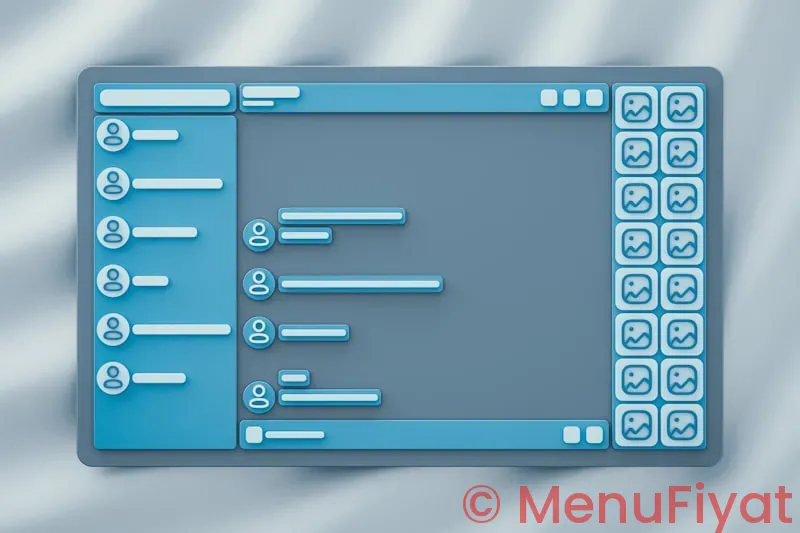
Imagine having a conversation with your favorite brand via a social media DM, where you can ask questions and receive tailored responses within minutes. Feels much more engaging than trying to decipher a phone menu, doesn’t it? It’s like trading in an old flip phone for the latest smartphone—suddenly, everything is easier and way more intuitive.
As technology continues to advance, customer expectations are evolving too. People are chasing that seamless experience where they feel valued, not stuck in some robotic labyrinth. Studies show that businesses that embrace this change see increased customer satisfaction and loyalty, proving that adapting is the name of the game.
Press 1 for Satisfaction: The Psychology Behind Effective Phone Menu Systems
This sense of control is critical. When people interact with phone menus, they want to feel empowered. Pressing “1” for immediate assistance or “2” for billing questions gives us a semblance of choice, like standing at an ice cream shop ready to pick our favorite flavor. But hold on—what happens when those options are convoluted or, heaven forbid, repetitive? Frustration kicks in, and that delightful empowerment turns into a maze of despair.
The design of these systems plays on human psychology like a skilled conductor leads an orchestra. A well-structured menu allows callers to use familiarity and instinct. Think of it as training for the brain—simple and intuitive paths lead to satisfaction. Conversely, if you’re forced to listen to options that seem endless, it’s like being stuck in traffic—time moves sluggishly, and the end goal feels frustratingly out of reach.
Effective phone menu systems understand this dance between guidance and autonomy. The art lies in balancing clear instructions with enough choices to keep us engaged. So, next time you hear, “Press 1 for satisfaction,” remember, it’s more than just a prompt; it’s a psychological strategy aimed straight at keeping you happy and content!
From Confusion to Clarity: Best Practices for Designing User-Friendly Phone Menus
First off, think of your phone menu like a friendly guide rather than a labyrinth. You want to lead your callers effortlessly from point A to point B. To achieve that, prioritize simplicity. Have you ever noticed how some menus try to do too much? Keep it lean—limit the number of options. A menu with three immediate choices can often be more effective than one cluttered with ten. It’s like a well-planned buffet: too many dishes, and you can’t decide what to try!
Next, clarity is key. Use straightforward language that your users can relate to. Imagine telling your friend about a new restaurant. You wouldn’t throw in complex jargon; you’d stick to what feels easy and relatable. Speaking of relatable, consider employing some natural flow in your menu. Instead of abrupt transitions, guide users gently. Think of it as tossing a friendly “hello” before jumping into deeper conversations.
Also, don’t underestimate the power of feedback. Ever hit a dead end in a menu and wished for a lifeline? Whether through voice feedback or simple prompts, allowing users to confirm their choices or go back can make a big difference. It’s like having a buddy who’s got your back during a tricky adventure!
Finally, invest time in testing. Just like you wouldn’t fly a plane without a test run, don’t launch a menu without getting real feedback. By embracing these practices, your phone menus won’t just be functional; they’ll be a breath of fresh air!
The Hidden Costs of Poor Phone Menu Systems: What Businesses Need to Know
When people reach out for help, they expect a seamless experience, not a riddle. Every minute they spend wrestling with a poorly designed menu is a minute they’re not spending with you. Think of your phone menu as the front door to your business; if it’s hard to open or leads to dead ends, customers might just choose to walk away. That’s potential revenue slipping through your fingers.
But it doesn’t stop there. The burden of a complicated system doesn’t just fall on the customer. Your team bears the brunt, too. Ineffective menus can lead to an influx of confused callers, tying up your staff with repetitive questions instead of allowing them to focus on solving real problems. Imagine a mechanic juggling multiple customers all asking the same thing while his tools sit idle—you wouldn’t want that chaos in your business.
Moreover, let’s not forget about the long-term impact on your brand’s reputation. In a world where reviews travel faster than light, a negative call experience can affect public perception and future sales. Just like a word-of-mouth recommendation, complaints can spread like wildfire.
Breaking Down Barriers: How AI is Revolutionizing Phone Menu Systems
Picture this: you call a bank or a utility company, and instead of fumbling through a maze of numbers, you just talk naturally. “I need help with my account,” you say, and boom! The AI processes your request in real-time, guiding you to the right assistance without that annoying hold music. Talk about a game-changer! It’s like having a personal assistant who knows your needs before you even voice them.
AI’s secret sauce? It’s all about learning and adapting. Machine learning algorithms analyze countless interactions to improve responses, so the more you use it, the better it becomes. Gone are the days of generic, one-size-fits-all options. Each user’s journey becomes personalized, almost like it has a sixth sense. Instead of pushing “1” for a service or “2” for support, you engage in a conversation that feels more human—think of it as chatting with a friend rather than navigating a soulless menu.
Frequently Asked Questions
Common Issues with Phone Menu Systems and Solutions
Phone menu systems often cause frustration due to long wait times, complex navigation, and unclear instructions. Users may struggle to find the right options or end up in loops without resolution. Solutions include simplifying menu structures, providing clear prompts, and offering options to speak to a representative directly. Regularly updating the system based on user feedback can also enhance the experience.
What Are the Benefits of Using a Phone Menu System?
A phone menu system enhances customer experience by providing quick and efficient access to services. It streamlines communication, reduces wait times, and allows for better organization of calls. This system improves customer satisfaction and helps businesses manage high call volumes effectively.
What is a Phone Menu System?
A phone menu system is an automated telephony system that allows callers to navigate through a series of options using their phone’s keypad or voice commands. It helps businesses manage incoming calls efficiently by directing callers to the appropriate department or service, providing information, and reducing wait times.
How Does a Phone Menu System Work?
A phone menu system operates by guiding callers through a series of options using prompts. When a caller dials a number, they are greeted with a menu that typically provides choices related to the services available. Callers navigate the menu by pressing corresponding numbers on their phone keypad. This system can efficiently direct calls to the appropriate department or service by automating the process, reducing wait times and improving overall customer experience.
How to Set Up a Phone Menu System?
To establish an effective phone menu system, begin by outlining your call flow. Identify common inquiries and organize them into clear categories. Use simple language and options to enhance user navigation. Implement a professional tone and ensure the menu is concise, ideally limiting options to three to five main choices. Utilize a reliable phone system with features that support automated responses and test the system thoroughly to ensure a seamless caller experience.