admin
Think about it: a well-crafted menu is like a map guiding you through a tantalizing journey of flavors. The appetizers whisper promises of delicious beginnings, while the main courses beckon with bold, satisfying flavors. Did you ever notice how a menu can spark your imagination? Each dish tells a story of its own, and as you glance through the offerings, your excitement builds.
But what makes something menu driven really stand out? It’s not just the variety; it’s the way each choice is presented. A great menu pulls you in with vibrant descriptions that dance off the page. It’s like reading a novel filled with suspense and intrigue. This experience is especially crucial for restaurants aiming to create atmosphere and keep customers coming back for more.
Moreover, in the digital realm, think of websites that are menu driven. They guide you effortlessly through options, leading to the selections you didn’t even know you needed! It’s like having a personal assistant that anticipates your craving and makes life a tad easier.
So next time you sit down to eat or explore a menu online, take a moment to appreciate the art behind it. Think of how it shapes your choices, whets your appetite, and creates an experience that lingers long after the meal is over. Isn’t it fascinating how something as simple as a menu can truly drive your desires?
Cracking the Code: How Menu-Driven Design Transforms User Experiences
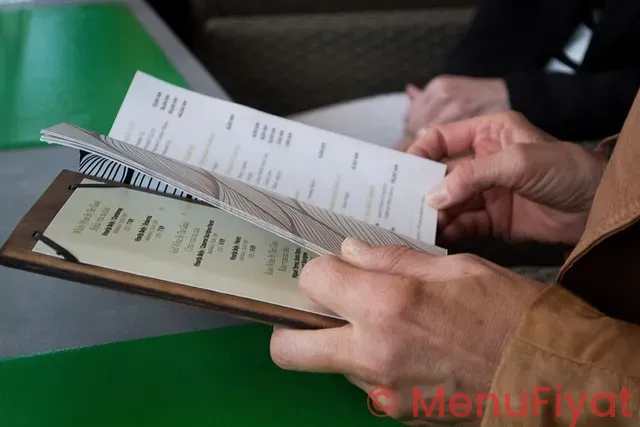
Menu-driven design does more than just simplify user navigation; it enhances the overall experience. You’re not just clicking random buttons and hoping for the best; instead, you’re guided through an intuitive path, making your digital journey smoother and more enjoyable. It’s a bit like having your favorite playlist playing in the background while you work—you’re less distracted and more focused.
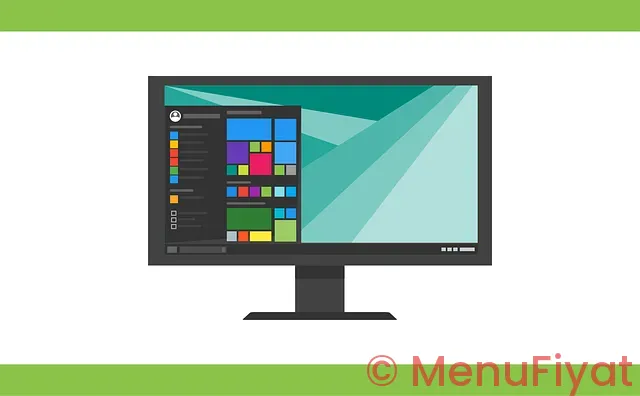

When you land on a website driven by smart menus, you’re met with organized information that feels natural. Every category and subcategory has its place, like books neatly shelved in a library. This system reduces cognitive overload, allowing you to focus on what truly matters—engaging with content that resonates with you. Want to find information about a product? Simply click the right section, and boom—there it is.
But it’s not just about functionality. A well-crafted menu evokes emotion, creating a connection with users. Think of it as a warm hug after a long day, making you feel welcomed and understood. This design approach captivates users and keeps them coming back, building loyalty and trust.
So, next time you dive into a digital experience, pay attention to how menu-driven design shapes your interaction. It’s more than a tool; it’s the secret sauce that transforms ordinary browsing into an extraordinary adventure.
The Evolution of Dining: Exploring Menu-Driven Interfaces in Digital Platforms
Think about it: scrolling through a menu on your smartphone or tablet feels a bit like flipping through an exciting magazine. There’s something undeniably satisfying about swiping through vibrant images of dishes that make your mouth water. These interfaces are designed to engage us, combining eye-catching visuals, enticing descriptions, and easy navigation that can make anyone feel like a culinary expert. Have you ever found yourself drooling over gourmet photos, only to realize you just spent half an hour scrolling? You’re not alone!
Now, let’s also consider the personalization that goes hand-in-hand with these digital menus. Just like your playlist learns your favorite tunes, modern dining apps adapt to your tastes. They remember what you loved last summer and suggest new delights you might enjoy next. Imagine having a personal food assistant who knows your cravings better than you do!
And here’s where it gets really fun—a seamless interface invites interaction. You can customize your order with a few taps, ensuring that your dish is tailored to your taste buds. Fancy no cilantro today? Just say the word! This evolution in dining isn’t just about convenience; it’s about creating an experience that feels personal and engaging. As we dive into this digital dining revolution, the possibilities seem limitless, inviting us to explore menus in ways we never thought possible.
Navigating Choices: The Psychology Behind Menu-Driven Decision Making
Think about it. Those fancy titles and enticing descriptions can turn a simple burger into a “juicy, handcrafted masterpiece.” Our minds are wired to respond to these cues. When we see words that evoke taste, our brains practically start drooling before we even order! This phenomenon isn’t just coincidence; it’s rooted in cognitive psychology. The way options are presented can nudge us toward certain choices, almost like a gentle push from behind.
Ever notice how some menus highlight specific items? That’s not just for aesthetics; it’s a strategy to guide your decisions. By showcasing certain dishes, restaurants tap into our natural bias toward what’s visible and appealing. It’s like shining a spotlight on the stars of the show! And here’s a kicker: the number of choices matters, too. Studies show that too many options can lead to decision paralysis. Ever find yourself stuck between two equally delicious-sounding desserts? That’s your brain scrambling to find the “perfect” choice.
From Fine Dining to Apps: The Rise of Menu-Driven Innovation Across Industries
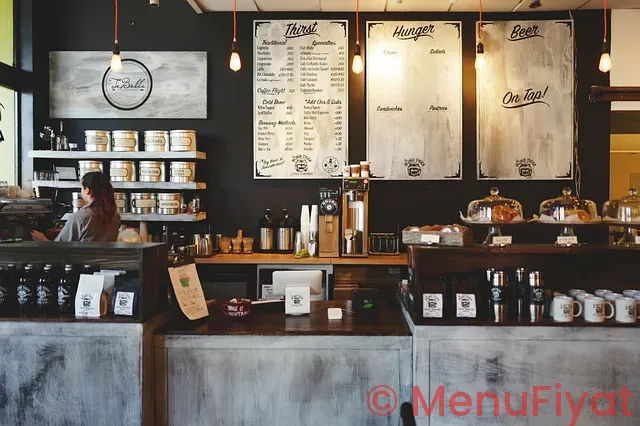
Why this shift? For starters, menus give us choices, and who doesn’t love options? It’s like walking into a candy store as a kid, your eyes wide with excitement, contemplating which sweet to pick. In the business world, having a menu means providing customers with customizable experiences tailored to their needs. It’s all about personal connection. When you allow people to select what they want, you’re not just selling a product; you’re creating a relationship.
Think about apps for a second. They’ve transformed how we interact with our favorite services, much like an interactive menu. You want a pizza? Tap here. Fancy a movie night? Click there. This seamless interface mirrors the menu experience, empowering users to dictate their journey. It’s almost akin to being a chef in a kitchen with limitless ingredients, crafting your ultimate dish.
The ripple effect is undeniable. Businesses across the board are now harnessing this strategy, from subscription boxes that let you pick your preferred snacks to cars that offer customizable features. It’s gameplay for adults, where we feel in control, and innovation becomes the main course served with a side of delight. Engaging customers through this menu-inspired approach doesn’t just sprinkle a bit of magic; it transforms how industries function, making them more dynamic and responsive to our desires. So, what’s on your menu today?
The Menu Revolution: How Personalization is Redefining Consumer Choices
You might be asking, “How did we get here?” Well, let’s face it, we live in an age where one-size-fits-all no longer cuts it. With food delivery apps and digital menus gaining traction, restaurants are diving deep into data analytics to understand customer behavior. It’s as if chefs have magical powers, whipping up dishes that align perfectly with our tastes, allergies, and even mood. Ever thought about how wonderful it is to have a menu that considers your love for spicy food while avoiding the dreaded gluten? It’s like having a culinary best friend who knows you inside out.
But that’s just the tip of the iceberg! Picture this: you walk in, and the menu lights up with dishes based on what you ordered last week, or those colorful options reflect the local ingredients in season. It’s not just dining; it’s a personalized experience crafted to tickle your taste buds. You no longer have to waste time scrolling through unknown dishes, wondering what to pick. Instead, you focus on the excitement of your meal.
Beyond Restaurants: The Impact of Menu-Driven Approaches on E-commerce
Imagine browsing through an online store and instead of just scrolling through endless product listings, you’re treated to a curated menu of options. This approach enhances your shopping experience, making it feel personal and tailored just for you. It’s like being served a delightful dish rather than simply choosing from an unappetizing buffet. Companies are realizing that a menu-style layout can engage customers more effectively, guiding them through choices rather than overwhelming them with a multitude of options.
Have you ever experienced decision fatigue? You know, that overwhelming sensation when there are too many choices? A menu-driven approach simplifies this by presenting customers with clear categories—think of it as a map guiding you through uncharted territory. Whether you’re exploring a fashion site or selecting tech gadgets, this method helps to streamline your decisions, making shopping as enjoyable as choosing your favorite dish.
Not only does this enhance the customer journey, but it nurtures loyalty. When consumers feel understood and catered to, they’re more likely to return for seconds. Companies are leveraging data analytics to curate these menus, predicting what might tickle your taste buds based on previous interactions. It’s a revolutionary step in personalization that is making online shopping more delectable than ever.
So, the next time you dive into an e-commerce site, pay attention to how they serve their “menu” of products. It’s a feast for the eyes and an invitation to enjoy shopping like never before!
Frequently Asked Questions
How to Create a Menu-Driven Program?
To create a menu-driven program, outline the functionalities you want to offer. Use a loop to display a menu until the user chooses to exit. Capture user input to determine the selected option and execute the corresponding functions or operations. Ensure to validate the input for a better user experience and provide feedback for each choice.
How Do Menu-Driven Systems Work?
Menu-driven systems guide users through options using a structured interface. Users select commands or choices from a list, which leads to specific actions or responses. This approach simplifies navigation, making it easier for users to access features without needing to remember complex commands.
What is a Menu-Driven Interface?
A menu-driven interface is a type of user interface that allows users to interact with a system by selecting options from a predefined list or menu. It simplifies navigation and task execution by presenting choices clearly, thus enhancing user experience and accessibility.
What Are the Benefits of Using Menu-Driven Navigation?
Menu-driven navigation enhances user experience by providing a clear, organized structure that simplifies the process of finding information. It reduces confusion by categorizing options, making it easier for users to access desired content quickly. This method allows for streamlined interaction, efficiency in navigation, and improved accessibility, ultimately leading to higher engagement and satisfaction.
What Are Common Examples of Menu-Driven Applications?
Menu-driven applications are software programs that allow users to interact with the system by navigating through a series of menus. Common examples include ATM machines, software installation wizards, and point-of-sale systems. These applications provide a structured path for users to perform tasks such as withdrawing cash, installing software, or processing sales, making them user-friendly and efficient.