admin
admin A good menu costing program helps you to break down every dish into its component parts, giving you a clear picture of what you truly need to charge for each plate. It’s not just about slapping a price tag on a dish; it’s about understanding the real cost behind it. Think of it as piecing together a puzzle where each ingredient, from the freshest herbs to that secret sauce, plays a part in your overall profit margin.
Have you ever wondered how some restaurants always seem to thrive while others flounder? One key difference often lies in the meticulous calculation of menu prices through a costing program. By analyzing your food costs, you can strategically adjust prices to ensure that each dish not only satisfies your guests’ palates but also fills your bank account. It’s like having a secret ingredient that boosts your dishes’ flavor and your bottom line.
Using a menu costing program can also save you time and energy. Instead of manually calculating costs, which is about as fun as watching paint dry, you can automate the process, freeing you up to get creative in the kitchen. Imagine whipping up new recipes instead of drowning in spreadsheets! Plus, with the right program, tracking costs becomes as easy as pie—literally!
So, if you want to keep your restaurant sailing smoothly and avoid financial shipwrecks, investing in a menu costing program is a no-brainer. Your future self—and your clientele—will thank you for it.
Unlocking Profitability: How a Menu Costing Program Can Transform Your Restaurant’s Bottom Line
So, what exactly does a menu costing program do? It meticulously breaks down the costs of each ingredient, helping you understand where your money is going. It’s like having a personal accountant who whispers in your ear, pointing out costly mistakes you might not even notice. When you know exactly how much each dish costs to prepare, you can set your prices more intelligently. Instead of guessing, you’re making data-driven decisions that will protect your margins.
Have you ever felt the sting of a slow night when sales just didn’t measure up? A menu costing program can help you identify which dishes are flying off the shelf and which ones are collecting dust. By eliminating or revamping less profitable items, you can streamline your menu to feature only the stars of your culinary show.
And let’s not forget about portion control—it’s not just about elegance but economy too. This program can help you determine the perfect portion sizes, ensuring your customers leave satisfied without leaving you high and dry financially. It’s a win-win!
Think of a menu costing program as your restaurant’s personal trainer. It helps you shed the excess weight of unnecessary costs while building a strong profit muscle. By giving you clarity on your expenses and revenues, you convert chaos into a well-oiled machine. This clarity empowers you to make strategic pricing decisions, turning your restaurant into a financial powerhouse.
Revamping Your Recipe: The Essential Guide to Implementing a Comprehensive Menu Costing Program
So, what does implementing a menu costing program actually look like? Think of it as putting on a high-tech pair of glasses that lets you see your ingredients in a whole new light. You start by breaking down every recipe, down to the last pinch of salt. Break it down into component costs: the garlic, the olive oil, the fancy herbs that might be gathering dust. Understanding the cost of each item is crucial. If you don’t know what’s going out, how can you ensure something’s coming back?
Now, imagine if you could tweak the ingredients, swap in seasonal veggies, or even revise portion sizes—all to enhance your profits without sacrificing taste. That’s the beauty of effective menu costing! It’s like being a financial chef, stirring up not just flavors but also financial success.
And let’s not forget about those portion sizes. Have you ever served a dish and thought, “Wow, that’s a ton of food!”? Too much food can mean too little profit. By strategically sizing your portions, you ensure your customers leave happy and your bottom line stays healthy—talk about a win-win!
Menu Mastery: Why Costing Programs Are the Secret Ingredient to Culinary Success
Imagine walking into a kitchen where every ingredient is accounted for, every portion perfectly measured, and costs meticulously tracked. Sounds like your dream scenario, right? Costing programs do exactly that by helping you understand the financial blueprint of your dishes. They take the guesswork out of pricing. If you’ve ever wondered why your signature dish doesn’t bring in as much profit as expected, it might be time to whip up a costing program.
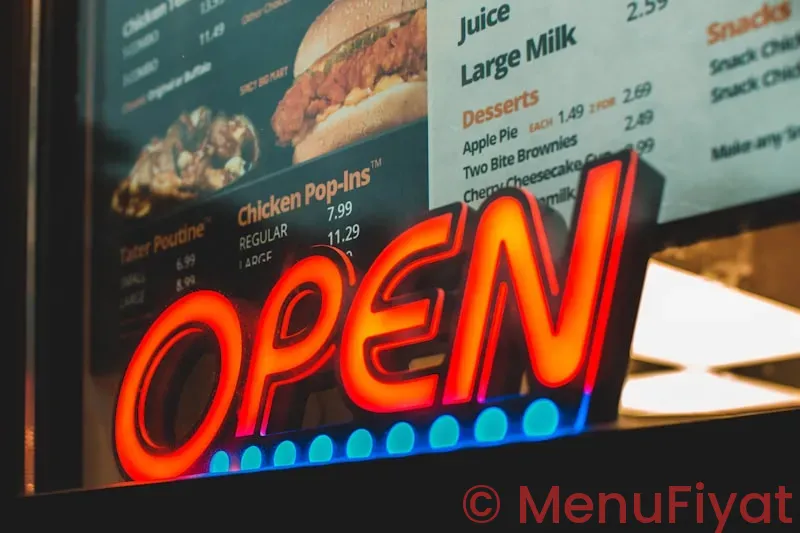
These programs not only help you compare food costs against your selling prices but also let you experiment with recipes without the risk of sinking your budget. Think of it as having a GPS for your menu; they guide you to profitable paths while avoiding costly detours. When you know exactly how much each ingredient contributes to the overall cost, you can make strategic decisions—like tweaking a recipe or adjusting a portion size—that can significantly impact your bottom line.
The Future of Food Service: Harnessing Technology in Menu Costing for Accurate Pricing
So, how does this tech revolution play out in the kitchen and beyond? Picture this: a powerful software program analyzing every ingredient’s cost in real time. With just a click, chefs can see where they stand and tweak their recipes to optimize margins. It’s like having a financial advisor right there in the kitchen, helping you make better decisions on what dishes to spotlight or retire. With volatility in ingredient prices, being proactive isn’t just smart, it’s necessary.
Now, here’s a fun thought—what if your favorite dish could dynamically adjust its price based on supply chain data and seasonal availability? It sounds futuristic, right? Yet, that’s exactly what advanced AI and machine learning can do. These technologies give restaurant owners a pulse on the market, allowing them to set prices that reflect the true value while keeping customers happy.
And let’s not overlook the customer experience. Imagine walking into a place that uses tech not just for backend efficiencies but to enhance your dining experience. Interactive menus tailored to your preferences can suggest dishes based on real-time analytics—it’s like having a personal food concierge. Talk about dining out redefined!
From Ingredients to Profits: Streamlining Menu Costing Programs for Maximum Efficiency
Let’s break it down. First off, having a clear understanding of ingredient costs is crucial. Think of it as building a house; you wouldn’t lay the foundation without knowing how much cement you need, right? By meticulously tracking the cost of each ingredient, restaurants can ensure they’re pricing dishes appropriately. Imagine serving a delectable risotto but losing money on every plate because you didn’t account for the price of arborio rice—yikes!
But it doesn’t stop there. Streamlining menu costing also involves evaluating portion sizes and menu design. When you adjust portion sizes, it’s like fine-tuning a recipe to create the perfect balance. Small tweaks can lead to big savings. Additionally, savvy restaurateurs know that how they present their menu can influence customer choices. If you highlight high-margin dishes, you’re essentially guiding customers’ eyes to the goldmine.
Let’s not overlook the role of technology in this mix. Automation tools are like having a personal assistant who never sleeps. They can calculate costs, track inventory, and even forecast profits in real time. Imagine receiving instant alerts about ingredient shortages or price hikes—talk about being one step ahead!
Beyond the Numbers: How Menu Costing Programs Enhance Culinary Creativity and Menu Design
It’s all about balance. When you know exactly how much each dish costs, you can confidently play with your menu design. Ever wanted to toss a wild new dessert onto the menu just because? With a costing program, you can taste the freedom of innovation while still staying savvy about profits. It’s like driving a sports car on an open road—you can speed ahead, knowing you’re in control!
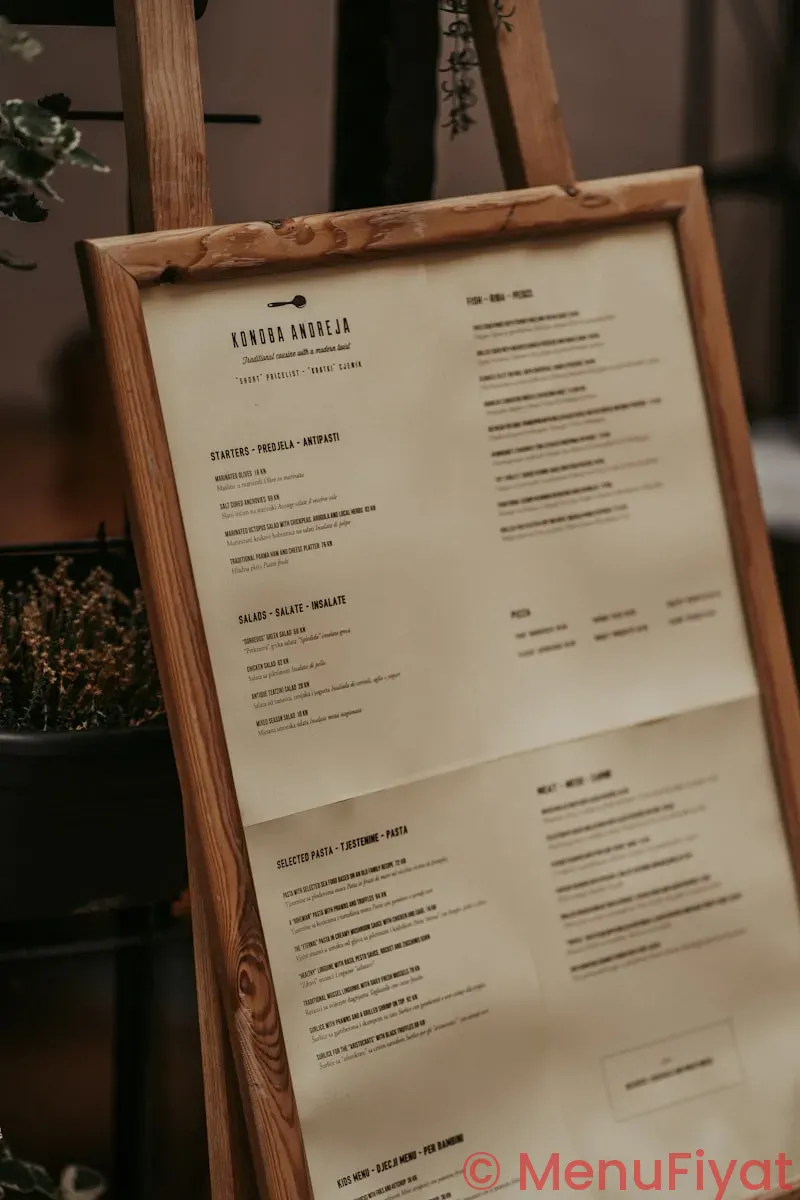
But that’s not all. These programs also allow you to experiment—think of them as your kitchen’s GPS. Want to introduce local ingredients? Menu costing programs help you see how these changes impact overall profits and pricing. This way, you’re not just throwing spaghetti at the wall to see what sticks; you’re crafting each dish with intention.
Frequently Asked Questions
What is a Menu Costing Program?
A Menu Costing Program is a tool used by businesses, particularly in the food industry, to calculate and manage the costs associated with menu items. It helps in determining prices, assessing profitability, and making informed decisions about ingredient sourcing and pricing strategies.
How Does Menu Costing Benefit My Business?
Menu costing helps businesses determine the cost of each menu item, allowing for effective pricing strategies and improved profit margins. By analyzing ingredient costs, labor, and overhead, owners can make informed decisions on menu design and pricing, ultimately enhancing financial performance and customer satisfaction.
Can a Menu Costing Program Help with Pricing Strategies?
A menu costing program aids in developing effective pricing strategies by analyzing ingredient costs, portion sizes, and labor expenses. It provides insights into profit margins, allowing businesses to set competitive yet profitable prices, optimize menu offerings, and adapt to market trends.
How Do I Calculate Food Cost using a Menu Costing Program?
To calculate food cost using a menu costing program, first input the ingredient prices and quantities required for each menu item. The program will then compute the total cost of each dish by summing the ingredient costs. Finally, you can analyze the overall food cost percentage by dividing the total food cost by total sales and multiplying by 100. This helps determine pricing and profitability.
What Key Features Should I Look for in a Menu Costing Program?
When selecting a menu costing program, look for features that allow for accurate ingredient costing, recipe management, and menu price optimization. The program should provide nutritional analysis, integration with inventory systems, and reporting tools to monitor food costs and profit margins effectively. User-friendly interfaces and the ability to update prices easily as market conditions change are also essential.