admin
Digital signage menu boards aren’t just about looking good; they are the ultimate game-changer for customer experience. Picture this: a family walks in, glances at a dynamic menu board highlighting daily specials, and one look at that luscious burger or artisan pizza makes their decision a whole lot easier. It’s not just ‘food’ on the screen; it’s an experience that pulls the customer in, transforming a casual browse into an enticing adventure.
What’s more, these digital boards are super flexible. Want to promote a happy hour or highlight vegetarian options? With just a few clicks, those updates are live and ready to tempt your guests. It’s like having a menu that evolves to match the mood of the day. And don’t forget about analytics! With digital signage, you can track what items attract attention and adjust your offerings based on actual customer preferences. That’s some insightful stuff right there.
Plus, let’s talk about the eco-friendly angle. By switching to digital, you’re cutting down on paper waste—helping Mother Earth while serving up those tasty treats. So, why stick to traditional when you can offer a sleek, efficient, and visually stunning dining experience? Digital signage menu boards are more than just tech; they’re the heartbeat of a modern eating establishment.
Revolutionizing the Dining Experience: How Digital Signage Menu Boards Are Changing Restaurants
Have you ever found yourself squinting at a dusty chalkboard menu? It’s not just frustrating; it can dampen your excitement. Digital menu boards illuminate your choices, displaying high-resolution images and mouth-watering videos of the food in all its glory. It’s like having a personal chef recommend dishes instead of reading a long list of options. Plus, with easy updates, restaurants can quickly highlight seasonal specials or promote a new dish, keeping things fresh and interesting for repeat customers.
Even better, these boards can engage diners on a personal level. Picture this: as you’re waiting for your meal, the screen serves up quirky food facts, trivia quizzes, or even social media highlights from fellow diners enjoying their meals. It’s like having a conversation with a well-informed friend who knows exactly what will tickle your taste buds.
Now, let’s talk about efficiency. In today’s fast-paced world, who has time to wait? With digital signage, orders can be customized at a moment’s notice, accommodating dietary preferences or last-minute cravings. This flexibility means less time waiting in line and more time savoring those delicious bites.
So, if you’re still flipping through a static menu, it’s time to embrace the future. Digital signage menu boards are rolling through restaurants, revolutionizing how we choose our meals, one vibrant pixel at a time.
From Static to Dynamic: The Impact of Digital Menu Boards on Customer Engagement
So, how do digital menu boards elevate customer engagement? Picture this: you’re hungry and indecisive, scanning a static menu can feel like a chore. But a dynamic digital board? It captivates you instantly. Flickering images of mouthwatering dishes pull your eyes in, almost tempting you to order more than you initially planned. Suddenly, choosing a meal feels more like a fun adventure than a mundane task.
Plus, with digital boards, restaurants can easily update their offerings in real-time. Remember that feeling when you find out your favorite dish is out of stock? That’s a bummer! But with digital displays, restaurants can quickly highlight specials or even showcase popular items, keeping you informed and excited about what’s available. Imagine being able to see the freshest dishes at a glance. It’s like having a personal guide through a culinary treasure map!
And let’s not forget about interactivity. Some restaurants now incorporate touch-screen technology, allowing you to browse through menu options, explore dietary information, and even customize orders with a few taps. It’s not just about looking; it’s about interacting. It’s as if you’re co-creating your dining experience, making it uniquely yours.
Cutting Costs and Boosting Sales: The Financial Benefits of Digital Signage in Food Service
Now, let’s talk numbers. Digital signage cuts down on printing costs significantly. Think about it: no more reprinting that paper menu every time you add a special dish or change a price. With a few clicks, your menu is updated in real-time, which means you’re not just saving money but also keeping your info fresh. It’s like having a magic wand that changes your menu in an instant—pretty neat, right?
But wait, there’s more! Studies show that restaurants using digital signage can increase sales by as much as 30%! Why’s that? Well, vibrant visuals grab attention better than plain old text. When customers see enticing graphics flashing before them, their taste buds awaken, and those impulse buys kick in. It’s as if every display is a siren song, calling out, “Order me!” Who can resist?
Plus, digital signage allows for dynamic pricing strategies. You can promote deals during slower periods, enticing customers to walk through the door with flashing specials or happy hour announcements. It’s all about meeting your audience where they are and capturing their cravings at the right moment.
Seeing is Believing: The Psychology Behind Digital Menu Boards’ Influence on Consumer Choices
Think about it: when you see a colorful display of mouth-watering burgers or artisanal salads, your brain is fired up. Those bright visuals and enticing descriptions aren’t just pretty; they trigger your appetite and emotions. It’s similar to how a movie trailer captures your interest and makes you want to see the whole film. Your eyes feast first, and then your stomach chimes in with what it wants.
But wait, there’s more! Digital menu boards can easily change their content—seasonal specials, promotions, or trendy dishes. This dynamic nature keeps customers engaged and eager to explore. It’s like a treasure hunt for your taste buds that changes every time you visit. Studies show that when diners see images of their food, they’re not just more likely to order it; they often opt for more expensive items too. Talk about a menu with a mission!
Also, ever noticed how fonts, colors, and layout impact what you order? A fancy font might make that artisanal sandwich sound upscale, while a colorful background can evoke feelings of joy and excitement. It’s all about craftily guiding your eye toward what the establishment wants you to try. It’s a psychological dance, really, where subtle cues lead you to make that mouth-watering choice, often before you even realize it.
So next time you’re tempted by a digital menu board, remember: it’s more than just food; it’s an experience designed to play with your senses and lead you to that perfect dish!
10 Must-Have Features for Your Digital Signage Menu Boards: A Guide for Restaurateurs
First off, let’s talk about eye-catching visuals. Your digital menu needs to be vibrant and clear. Imagine a stunning burger with melted cheese dripping down, displayed in high resolution. That’s the kind of mouthwatering imagery that draws in customers faster than a food truck at a festival.

Next, consider real-time updates. When your special runs out or you cook up something new, wouldn’t it be a lifesaver to update your menu instantly? With a system that allows quick adjustments, you’re always serving up the freshest options.
User-friendly navigation is another essential. Think of it like a map—if it’s complicated, people will get lost. Your menu should be easy to read and navigate, helping customers make choices without the frustration.
Don’t overlook integrated promotions, either. Imagine offering a discount on a Tuesday taco special that flashes right when customers walk in. It’s like putting an inviting neon sign over your best deal!
Then there’s the option for multimedia content. Videos or animations can bring your dishes to life, enticing the diner’s senses. Picture a steaming bowl of pasta being tossed with fresh basil while customers watch—it’s all about that engagement.

Accessibility features shouldn’t be ignored, either. Ensure your menu caters to all guests, including those with visual impairments. Clearly legible fonts and color contrasts make a huge difference.
Syncing with online orders can streamline your operations. Customers are all about convenience, so connecting your digital menu to your ordering system means less waiting and more dining.
Lastly, don’t forget analytics. Having insights into which items are popular can help you adjust your offerings based on real data—just like keeping an eye on trends in social media.
With these features, your digital menu board won’t just list items; it will tell a story, engage customers, and keep them coming back for more.
Beyond the Menu: Innovative Uses of Digital Signage in Hospitality and Retail
But wait, there’s more! Digital signage isn’t just about looks. Imagine a hotel lobby where guests can check in via stunning screens that guide them through the process seamlessly. You know that feeling of getting lost in a new place? Digital signage can be the GPS for guests, providing real-time updates on events and local attractions, like the ultimate tour guide right in your pocket.
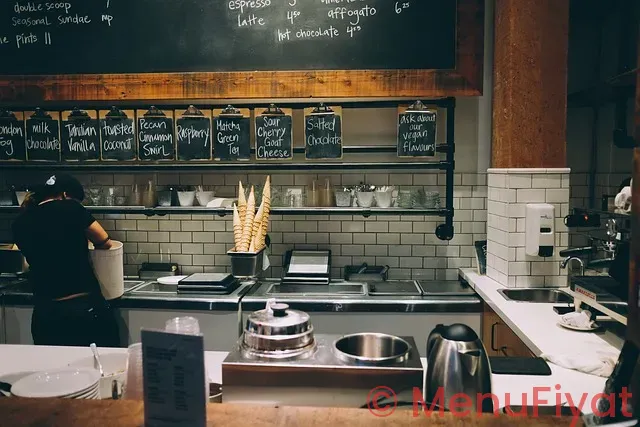
In retail, it gets even cooler. Ever walked by a store and seen a tantalizing video of a product in action? That’s digital signage pulling you right in! It serves up promotions that can change at the speed of light, tailoring messages based on the time of day or even the weather. Yes, those last-minute “It’s a sunny day—here’s your perfect ice cream!” ads really hit home when the sun’s shining.
Transitioning to Digital: Tips for Restaurants Looking to Upgrade Their Menu Boards
First off, embrace the idea that your digital menu board is more than just a list of items. It’s a marketing tool that can draw in customers and guide them on a culinary journey. Choose a digital display that fits your restaurant’s vibe—maybe something sleek and modern, or perhaps a rustic screen that matches your theme. Consider the layout, too. Keep it simple and intuitive; you wouldn’t want folks squinting and scratching their heads over what to order!


Next, think about the content. Boring item names won’t captivate anyone. Instead, paint a picture with enticing descriptions and stunning visuals. If “Grilled Chicken Sandwich” sounds mundane, why not spice it up to “Juicy Grilled Chicken Sandwich with Smoky Chipotle Sauce”? Suddenly, it feels like a must-try, doesn’t it?
Now, let’s not forget about updating your menu! With digital boards, you can change offerings on a whim. Seasonal specials, a weekly happy hour, or that new cocktail you’re raving about can be highlighted instantly. No more chalk dust or messy corrections—just a few clicks and voilà!
Integrating your digital display with social media can also be a win-win. Post about your latest dishes online, and watch how quickly they grab attention on your screens! It’s like a two-for-one deal where your vibrant food pictures bring extra foot traffic.
In this ever-evolving world of dining, adapting to digital isn’t just an option anymore; it’s a necessity. And trust me, once you see those smiling faces as they whirl around your enticing menu boards, you’ll know you made the right choice.
Frequently Asked Questions
What Are Digital Signage Menu Boards?
Digital signage menu boards are electronic displays used to showcase menus in restaurants, cafes, and similar establishments. They provide an engaging way to present food and drink options, update items in real-time, and attract customer attention through dynamic content and visuals.
What Are the Benefits of Using Digital Signage for Menus?
Utilizing digital signage for menus enhances customer engagement by displaying dynamic content. It allows for easy updates and adjustments to offerings, promotes high-margin items, and improves overall visibility. Additionally, digital menus can reduce printing costs and streamline operations, providing a modern experience that attracts and retains customers.
How Do Digital Signage Menu Boards Work?
Digital signage menu boards display dynamic content like menus, promotions, and information on screens. They operate through a combination of hardware, such as screens and media players, and software for content management. Users can easily update and schedule content remotely, allowing for real-time changes based on customer needs or marketing strategies.
What Are the Costs Associated with Digital Signage Menu Boards?
Costs for digital signage menu boards include hardware expenses such as displays and media players, software for content management, installation fees, and ongoing operational costs like power and internet. Additional expenses may arise from content creation and maintenance services. It’s important to evaluate these factors to determine the overall investment and potential return.
How Do I Create Content for Digital Menu Boards?
To create effective content for digital menu boards, start by understanding your target audience and their preferences. Use eye-catching visuals and concise text to highlight key offerings. Ensure the layout is clean and easy to read, prioritizing items based on popularity or seasonal relevance. Incorporate engaging elements like videos or animations sparingly, and keep the content updated to reflect current promotions or menu changes. Finally, test the display in real settings to gauge viewer response and make adjustments accordingly.