admin
admin Picture this: you’re starving after a long day and you want to make a quick decision on what to eat. With electronic menu boards, you’re instantly captivated by dynamic visuals and enticing descriptions that make your stomach growl. These boards allow restaurants to showcase their signature dishes and seasonal ingredients in stunning detail, making it hard to choose just one!
But it’s not only about the aesthetics. Electronic menu boards are incredibly versatile. Need to update prices or add a new special? With a few clicks, you can change everything in real-time. This means less waste, more savings, and the ability to react instantly to customer preferences or inventory changes. Can you imagine the flexibility during busy hours when you can swap out dishes depending on what’s ready to go in the kitchen?
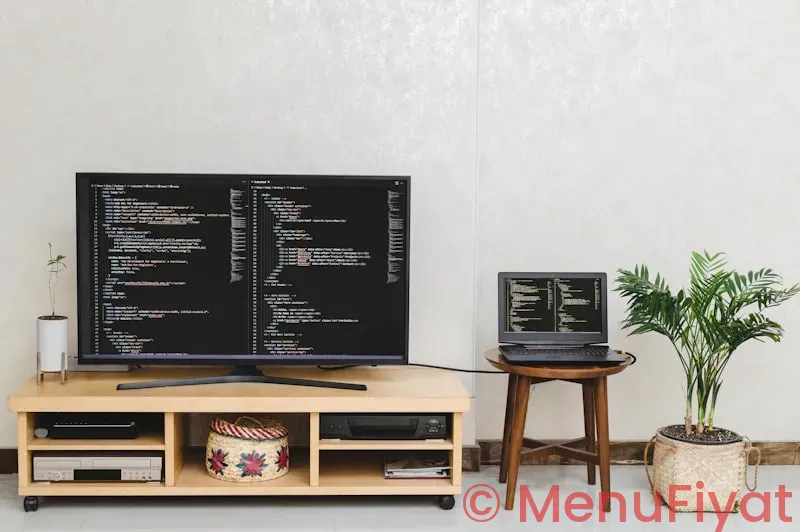
Moreover, these boards offer a unique way to promote upsells. That crispy avocado toast pops up next to a refreshing smoothie, and suddenly you’re thinking, “Why not treat myself?” It’s like having a personal assistant guiding your choices and enhancing your dining experience.
And let’s talk about engagement. An electronic menu board can do more than display food. Think interactive features—loyalty programs and social media integration that invite customers to engage with the restaurant beyond just grabbing a meal. It’s like turning every dining experience into an event!
With electronic menu boards, restaurants aren’t just serving food; they’re serving an experience that appeals to the senses and keeps customers coming back for more.
Revolutionizing Dining: How Electronic Menu Boards Are Transforming Restaurant Experiences
First off, let’s talk about versatility. Have you ever tried to read a crumpled paper menu in dim light? It’s a hassle! Electronic menus, on the other hand, can be updated in real-time. If a chef decides to whip up a special dish that wasn’t on the original menu, voila! It’s live and ready to grab your attention. Plus, they can rotate items throughout the day, making it easy for restaurants to showcase breakfast, lunch, and dinner offerings without cluttering a single page.
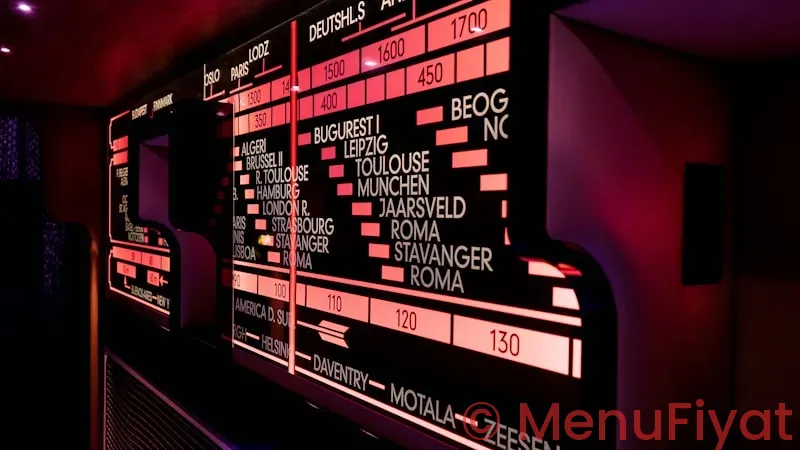
And here’s the kicker: customization. Ever had a picky friend who needs gluten-free, vegan options? With electronic boards, restaurants can highlight specific dietary items with a click, ensuring everyone knows what’s available. You get to see appetizing images of the food instead of just reading descriptions. It’s like a mini showcase of deliciousness!
Now, let’s not overlook the wow factor. The captivating animations and bright visuals draw customers in, creating an experience rather than just a meal. It’s like turning dining into a theatrical performance, where the food is the star.
Plus, think eco-friendly! Say goodbye to endless stacks of paper menus that end up in the recycling bin. With electronic boards, restaurants can reduce waste while enhancing the dining atmosphere. It’s a win-win!

So, whether it’s about improving efficiency or simply making dining more exciting, electronic menu boards are shaking things up in the restaurant world, one pixel at a time!
From Static to Dynamic: The Rise of Electronic Menu Boards in the Food Industry
So, why the sudden switch? Well, electronic menu boards offer some serious perks. First off, they’re eye-catching. Imagine a rotating carousel displaying your mouthwatering specials in stunning detail, making it almost impossible to resist that cheesecake. Plus, the speed matters. With a few clicks, restaurants can update prices or add new items without the hassle of printing and hanging new menus. It’s like having a personal assistant that can magically change things on demand!
But it’s not just about aesthetics or convenience. Owners are discovering that these boards can boost sales. Studies reveal that visually engaging menus can increase purchases by up to 30%. That’s money talking! You’re not just selling food; you’re selling an experience. And let’s not overlook the techy side. Many of these boards can integrate with real-time analytics. Picture this: a restaurant notices that a particular burger is flying off the electronic displays during lunch hours. Instant data leads to smarter, quicker decisions.
And who doesn’t love a little interactivity? Customers can engage with the menu—scrolling through options, checking out nutritional info, even placing orders right from the screen! It’s like a digital playground for food lovers. A far cry from squinting at faded letters on an old cork board!
Digital Delights: Why Restaurants Are Ditching Paper Menus for Electronic Boards
So, why are restaurants making the switch? For starters, think about how quickly things change in the culinary world. Seasonal ingredients, chef specials, rotating tapas—keeping a paper menu updated can feel like a never-ending game of catch-up. With a digital board, restaurants can update their offerings at the push of a button. Want to highlight that mouthwatering lobster roll because the catch was particularly good this week? Boom, done!
And let’s talk about that visually stunning scrolling display. Imagine flicking through vibrant images of delicious dishes instead of squinting at small print. It’s a feast for your eyes! Plus, most digital menus can accommodate a plethora of languages, making it easier for tourists or non-native speakers to navigate their dining experience. It’s like having a personal translator that helps you choose between the spicy curry or the zesty ceviche.
But it’s not just about looks—it’s about efficiency, too. Electronic boards can save restaurants money in the long run. No more printing costs or waste from outdated menus. And when it comes to hygiene, digital menus take the cake. As we’ve learned to be more health-conscious, using a device that can be sanitized easily adds a layer of comfort.
In a world where convenience is king, the move to digital menus offers a fresh, dynamic way to engage with diners and keep them coming back for more. Isn’t it exciting to think about how this simple change can transform an entire dining experience?
Menu Makeover: Innovative Electronic Boards Boost Sales and Enhance Customer Engagement
First off, let’s talk about visibility. You know how it feels when you see a delicious dish pop up on the screen, complete with mouth-watering visuals? Those rich, colorful images can capture your attention faster than any old laminated menu ever could. It’s like transforming your favorite restaurant into a visual feast. And here’s the kicker: when customers see tempting items displayed in high resolution, their stomachs aren’t the only ones doing the talking. Sales skyrocket because who can resist when the food looks that good?
But it’s not just about sales; it’s also about the customer experience. Interactive features on these boards let you customize your order in real time, making you feel like a culinary artist crafting your perfect meal. Imagine swiping through different options or tapping to see what’s in that spicy taco. It’s as if the menu is having a conversation with you, asking, “What do you crave?”
And let’s not forget about the data. Restaurants can track which items are popular, optimize offerings based on trends, and even adjust prices on-the-fly. It’s like having a personal assistant dedicated to making sure your experience—and their sales—are always top-notch.
So, the next time you find yourself in a restaurant with an electronic board, remember: it’s more than just a menu. It’s a smart tool designed to elevate your dining experience and boost the establishment’s bottom line. Isn’t that something worth celebrating?
Beyond the Menu: Integrating Promotions and Social Media into Electronic Boards
Picture this: you’re scrolling through your Instagram feed, and suddenly, you see a post from your go-to eatery. They’re advertising a limited-time discount on that mouth-watering seasonal latte. Guess where that special alert can also pop up? Yup! On the electronic board at their café! This seamless integration means that hungry patrons aren’t just munching on their meals; they’re engaging with the brand in real-time. How cool is that?
Now think about promotions for a second. You know those boring flyers that end up in the recycling bin? Well, electronic boards are the opposite! They can be dynamic, changing every few seconds to showcase daily specials, upcoming events, or flash sales. Imagine a happy hour alert flashing across the screen just as you think about ordering a drink; it’s like the universe is conspiring to make your experience perfect!
Customer-Centric Technology: How Electronic Menu Boards Personalize the Dining Experience
Electronic menu boards are like personal concierges for your palate. They don’t just display food options; they engage diners in a visually stunning way. Think about it: one moment you’re glancing at a static board with outdated photos, and the next, you’re captivated by vibrant images and enticing descriptions that seem to dance on the screen. It’s like a virtual food tour, inviting you to explore the culinary treasures available!
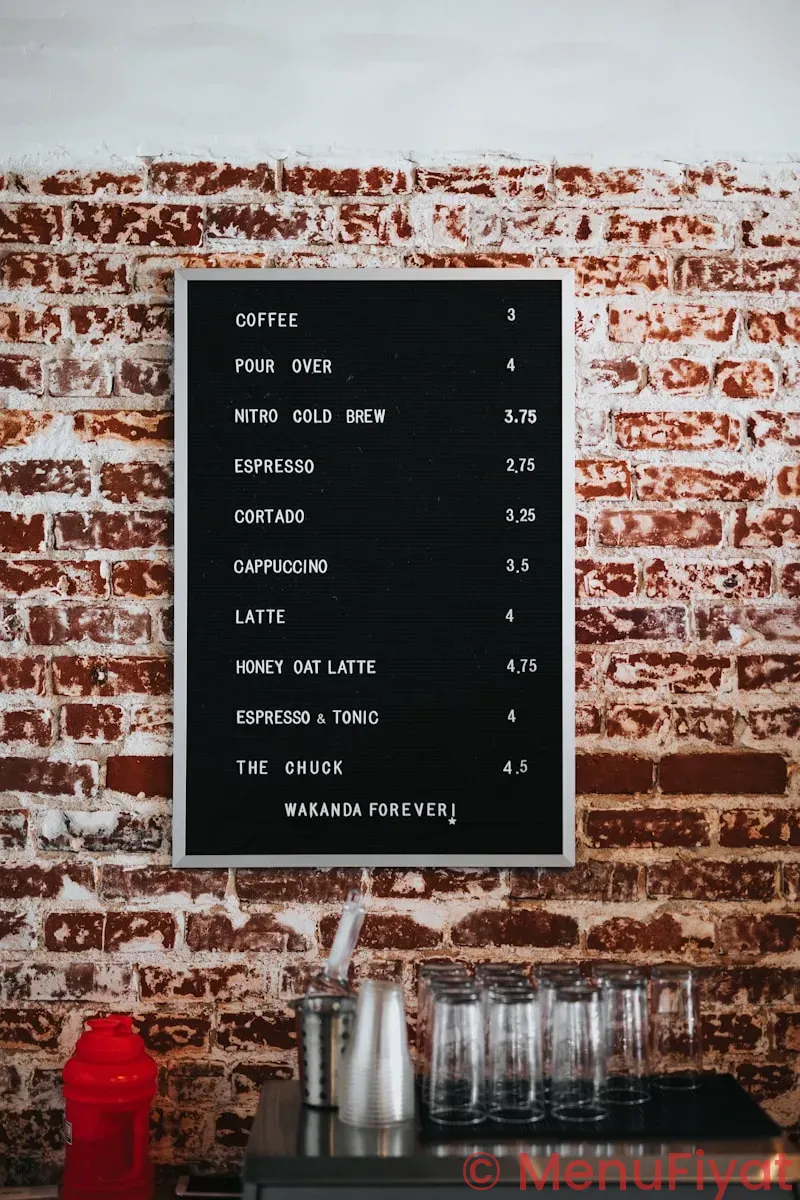
What’s even cooler is the ability of these boards to learn about customer preferences over time. Picture this: you love spicy tacos, and every time you visit your favorite eatery, the board highlights awesome taco combos just for you. It’s almost like the menu knows you better than your best friend! By leveraging data analytics, restaurants can push personalized offers that make your mouth water, ensuring every visit feels special.
And let’s not forget about the power of customization. Do you have dietary restrictions or a craving for vegan options? With electronic menu boards, you tap into an endless fountain of choices tailored to your needs. It’s as if you have a personal chef who knows exactly how you like your meals—and who wouldn’t want that?
In this bustling foodie landscape, electronic menu boards don’t just enhance decision-making; they create delightful experiences. So, the next time you stroll into a restaurant and see a dynamic menu board, remember—you’re witnessing the future of dining, where technology and taste intertwine.
Frequently Asked Questions
What Are the Benefits of Using Electronic Menu Boards?
Electronic menu boards enhance customer experience by providing dynamic and visually appealing displays. They facilitate easy updates and allow for real-time promotions, helping businesses to attract attention and boost sales. Additionally, they can improve operational efficiency by streamlining menus and reducing printing costs.
What Are the Costs Involved in Implementing Electronic Menu Boards?
Implementing electronic menu boards involves several costs, including initial hardware purchases, software installation, and ongoing maintenance fees. Additional expenses may include content creation, training for staff, and electricity usage. It’s important to assess both upfront and recurring costs to determine the overall investment required.
How Do Electronic Menu Boards Improve Customer Experience?
Electronic menu boards enhance customer experience by providing visually appealing, dynamic displays that can easily update information in real-time. They allow for clear visibility of menu items, promotions, and prices, reducing waiting times and improving decision-making for customers. Interactive features can also engage patrons more effectively, creating a streamlined and modern dining experience.
How Can I Customize My Restaurant’s Electronic Menu Board?
To customize your restaurant’s electronic menu board, choose user-friendly software that allows easy updates. Incorporate your branding, including logos and colors, to enhance your restaurant’s identity. Tailor the displayed items based on peak hours and seasonal offerings. Utilize high-resolution images for food items and consider including promotional messages or videos to engage customers. Regularly update the content to reflect changes in the menu or special deals.
How Do Electronic Menu Boards Work in Restaurants?
Electronic menu boards in restaurants display dynamic content through digital screens using software that manages the menus. These systems allow for real-time updates, enabling restaurants to change prices, promotions, or menu items quickly. Typically connected to a central server, they can be controlled remotely, ensuring consistency and ease of communication. Interactive features may also enhance customer engagement.