admin
admin Think of your menu as a playlist for dining. Just like a well-crafted playlist can set the mood for a perfect evening, a well-managed menu can entice customers and keep them coming back for more. It’s all about balance; you want crowd-pleasers alongside experimental dishes that spark curiosity. Have you ever noticed how some restaurants introduce seasonal items? That’s a savvy move in menu management! It keeps the selection fresh and exciting, like a cool breeze on a warm day.
But there’s more to it than simply picking tasty dishes. You also need to consider pricing strategies that reflect not only food costs but also the perceived value by customers. Ever felt that a meal looks fabulous but is priced too low? It might feel like you’re getting a steal, but it could make you question the quality. Crafting a menu that aligns pricing with customer expectations can make all the difference.
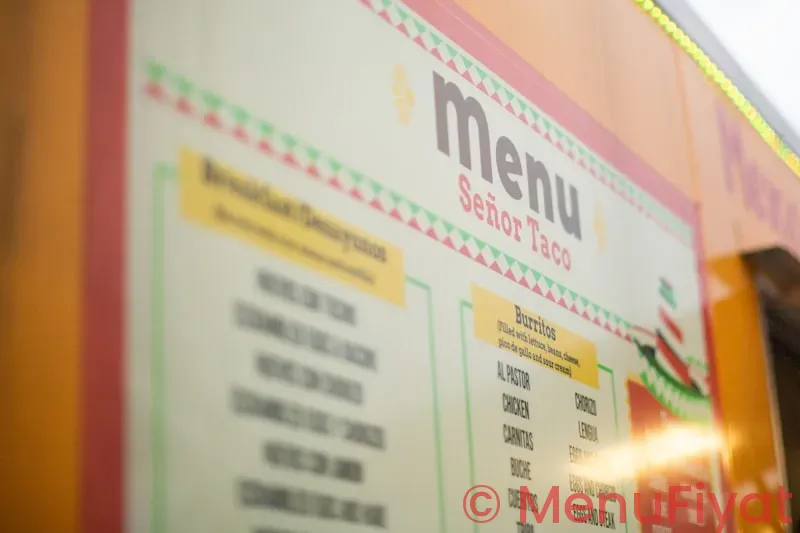
And let’s not forget about design! The layout of your menu can influence what people order. It’s like painting a picture; you want every item to shine. Strategic placement and enticing descriptions can be the difference between a dish that languishes in the shadows and one that steals the spotlight.
So, whether you’re whipping up comfort food or culinary art, mastering menu management can transform your dining experience from mundane to magnificent!
Revolutionizing Dining: How Effective Menu Management Can Boost Restaurant Profits
You ever feel overwhelmed by too many options? A cluttered menu can be just that. Streamlining your offering helps customers make quicker decisions, leading to faster turnover. It’s like decluttering a messy room; once you remove the distractions, the space feels more inviting. Simplifying your menu can spotlight your signature dishes, allowing your restaurant’s personality to shine and keeping diners coming back for more.
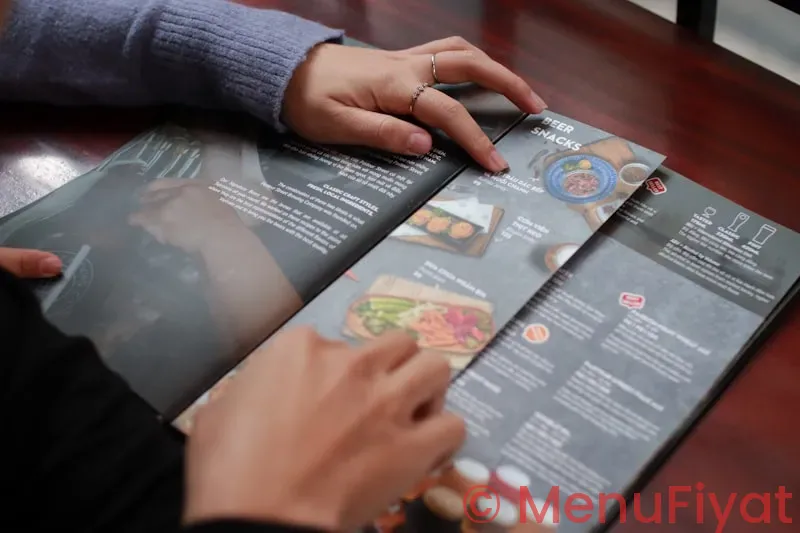
But let’s not stop at simplicity. Pricing dynamics play a huge role, too. Your menu should whisper sweet nothings about value, enticing customers to spend a little more without them even noticing. It’s all about anchoring—a fancy-pants term for placing high-priced items alongside your bestsellers to make them appear more reasonable. When strategically priced, your menu can nudge diners towards those higher-margin items or specials.
And let’s talk about seasonal shifts—they’re like a secret weapon in menu management. By rotating dishes based on what’s fresh, not only do you tantalize taste buds, but you also cut ingredient costs and reduce waste. Plus, who doesn’t love a restaurant that feels in tune with the seasons? It’s like getting a warm hug from Mother Nature.
Ultimately, effective menu management is your ticket to creating a hunger for more. With just the right blend of simplicity, strategic pricing, and seasonal offerings, you’re well on your way to skyrocketing your restaurant’s profits while enchanting your guests.
From Strategy to Success: The Art of Creating a Menu That Sells
So, what’s the secret sauce? First off, start with your target audience in mind. Do they crave gourmet burgers, fresh sushi, or vegan delights? Knowing who walks through your doors helps shape every decision. Next, let’s talk about layout. Ever noticed how folks gravitate towards the first item on the menu? That’s strategic placement at work! Put your signature dishes or chef’s specials front and center and watch them fly off the shelves.
Now, let’s not forget the power of enticing descriptions. A bit of storytelling goes a long way. Instead of just “grilled salmon,” try “succulent salmon fillet kissed by the fire and paired with a zesty mango salsa.” Can you smell that? That’s the aroma of sales sizzling in the pan!
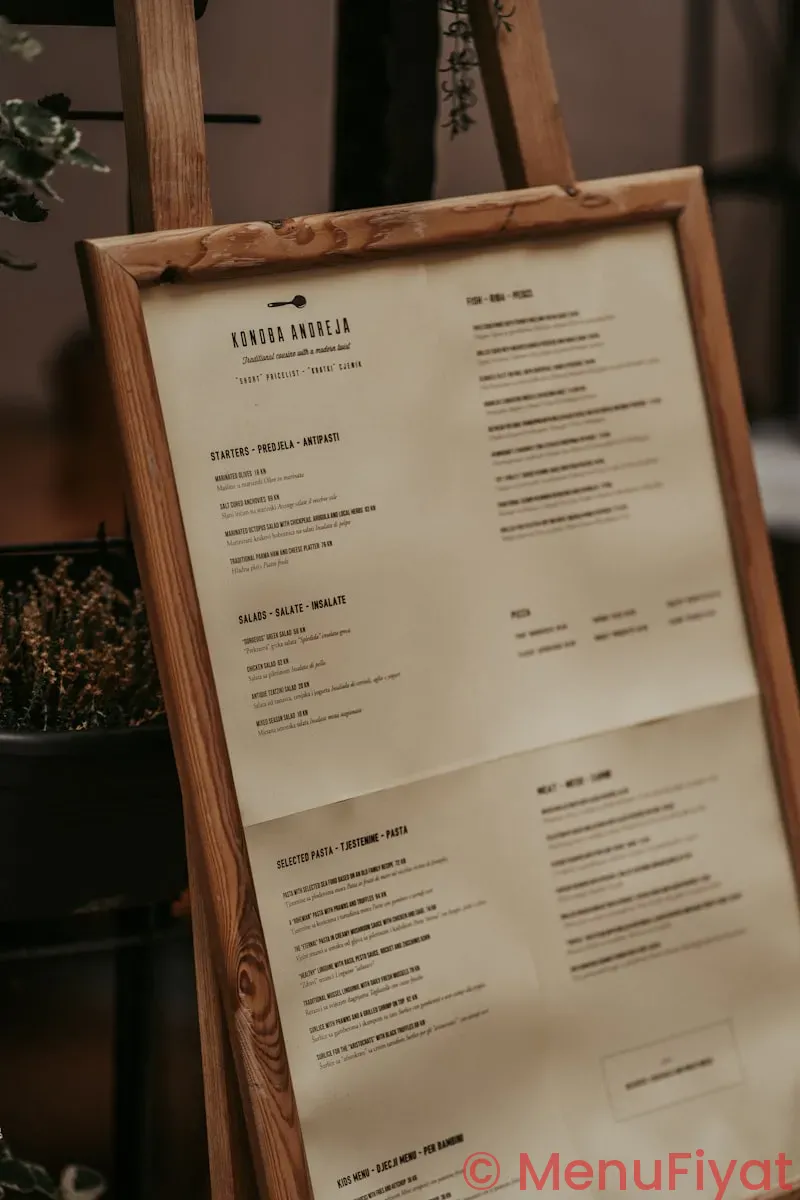
Price it right, too. Nobody wants to feel like they’ve been hit with a financial wrecking ball, but there’s a psychology to pricing that can create the illusion of value. Use charm pricing—think $9.99 instead of $10—and see how it plays with people’s minds.
Behind the Scenes: The Role of Data Analytics in Menu Management
In today’s fast-paced dining scene, restaurant owners are no longer just guessing what customers might enjoy. Instead, they dive deep into data, analyzing trends like a detective unraveling a mystery. By sifting through customer orders, sales figures, and even feedback, they spot patterns and preferences, ensuring the menu doesn’t just look good but also resonates with diners.
Think of it this way: if menus are like books, data analytics is the author who knows exactly what readers want. It helps restaurants understand which dishes are flying off the shelves and which are gathering dust. Maybe that exotic fusion dish is a hit, but the old-school spaghetti isn’t quite cutting it anymore. With this insight, restaurants can tailor their offerings, adding crowd-pleasers and removing any culinary wallflowers.
Plus, there’s something thrilling about real-time analytics. Imagine a restaurant adjusting its specials based on what’s trending right now. It’s almost like a live performance, where the chef tweaks the recipe mid-show, based on audience reaction. This agility keeps menus fresh and exciting, ensuring that diners always have something new to look forward to.
Menu Overhaul: Five Trends Shaping the Future of Dining Choices
First up, plant-based options are taking center stage. Gone are the days when “veggie” meant a sad plate of bland greens. Now, restaurants are whipping up colorful, flavorful plant-based creations that even meat-lovers can’t resist. Imagine a burger that’s hearty and juicy but made entirely of legumes and grains. Delicious, right?

Next, let’s talk about sustainability. Diners today are savvy and conscious about what they consume—not just in terms of flavor but also in origin. Restaurants are sourcing local ingredients and minimizing waste, creating a dinner that feels good on your palate as well as your conscience. It’s like that warm, fuzzy feeling you get from helping your neighbor; only now it’s intertwined with your meal.
And then there’s the rise of global flavors. Why settle for predictable when your taste buds can travel the world? Bold spices and unique combinations from all corners of the globe are finding their way onto menus, making your dining experience an adventure, rather than just another meal.
Tech-savvy diners are also influencing the scene. Think QR codes that lead you to a detailed story about the dish or app-based menus that let you customize your meal in real-time. It’s like having a personalized dining experience right at your fingertips!
Finally, health-focused dining is booming. With wellness becoming a priority, many eateries are rethinking standard menu items and crafting dishes that nourish the body without sacrificing taste. Imagine indulging in a dessert made with superfoods that tastes as good as it is good for you.
Mastering Menu Management: Tips from Top Chefs and Restaurateurs
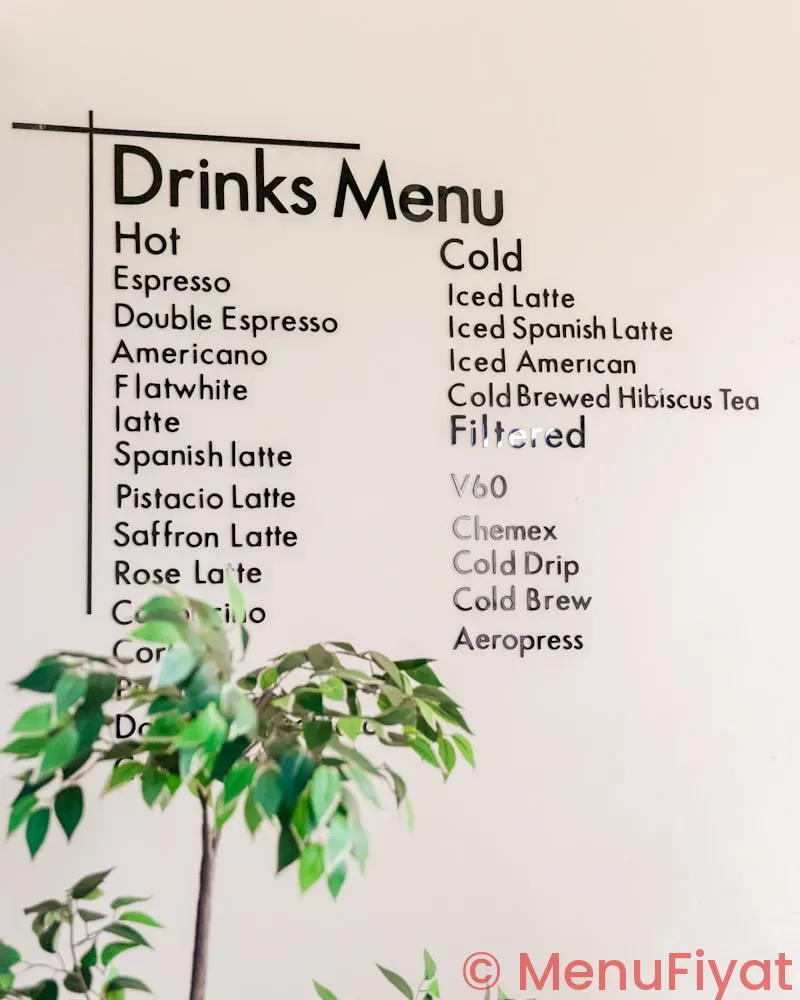
First, consider what’s seasonal and local. Using fresh ingredients not only enhances the flavors but also supports local farmers. It’s like having a backstage pass to the freshest produce in town! Top chefs understand that a seasonal menu keeps things exciting and attracts customers who want to enjoy the best of what’s available. Plus, regularly changing your offerings gives diners a reason to return—who wouldn’t want to taste the latest creation?
Next, embrace the art of storytelling. Your menu shouldn’t just list dishes; it should tell a story. When you describe a dish, why not take them on a journey? Instead of “grilled chicken,” how about “free-range chicken kissed by the flames of a wood-fired grill, served with a hint of rosemary”? This not only tantalizes the taste buds but captivates the imagination. It’s like painting a picture with words.
And let’s not forget the power of pricing. You want to strike that perfect balance between cost and value. Mindfully priced dishes give customers a sense of getting more bang for their buck, while also ensuring your restaurant thrives. Think of it as a delicate dance—find that sweet spot, and you’ll have guests flocking to your doors.
Frequently Asked Questions
What is Menu Management?
Menu management involves the process of creating, organizing, and updating menus for restaurants or food service operations. It includes analyzing customer preferences, pricing strategies, and seasonal ingredients to optimize offerings and enhance the dining experience.
How Often Should I Update My Menu?
Regularly updating your menu is essential to keep customers engaged and boost sales. Aim to refresh it seasonally to incorporate fresh ingredients and new trends. Additionally, consider updating based on customer feedback, sales data, and major events or holidays. This practice keeps your offerings exciting and relevant.
What Tools Are Available for Menu Management?
A variety of tools are available for efficiently managing menus, including digital menu management software, POS systems with menu integration, and online ordering platforms. These tools help streamline menu updates, track inventory, analyze sales data, and enhance customer experiences, allowing for real-time adjustments and improved operational efficiency.
How to Create an Effective Menu?
An effective menu should be clear, concise, and visually appealing. Focus on highlighting signature dishes, using descriptive language, and considering dietary preferences. Organize items logically, group similar dishes, and ensure pricing is transparent. Engaging design and ease of navigation can enhance the dining experience. Regularly update the menu based on customer feedback and seasonal availability.
What Are the Best Practices for Menu Pricing?
Effective menu pricing involves understanding market trends, customer preferences, and the costs of ingredients. Start by analyzing competitor prices and determining the perceived value of your offerings. Use psychological pricing techniques, like setting prices just below round numbers, to encourage sales. Regularly review and adjust prices based on food cost fluctuations and seasonal changes to maintain profitability while staying competitive.