admin
admin When you click on a menu link, it’s like opening a door to a different room in a grand mansion—each room stuffed with treasures of information. Whether it’s about services, products, or even blogs, these links make navigation a breeze! But here’s the kicker: a well-structured menu can elevate a website from ‘meh’ to memorable. You wouldn’t want to trip over your own shoelaces in a simple navigation, right?
Now, let’s talk about the aesthetic side of things. Think of menu links as the stylish shoes that complete your outfit. They should be eye-catching yet simple enough to wear comfortably. Bold fonts and contrasting colors can make them pop, inviting users to click like kids to a candy store.
And let’s not overlook the importance of organization. A cluttered menu is like a messy room—nobody wants to dig through the chaos. Grouping related links can streamline the experience. Consider using drop-down menus; they’re like magic tricks that reveal hidden gems without overwhelming your audience with options.
In this fast-paced digital world, menu links are your best friends. They save time, reduce frustration, and ensure that visitors find exactly what they’re looking for. So next time you’re drafting a website, remember: a seamless navigation experience is just a menu link away!
Navigating the Digital Feast: How Menu Links Transform Online Dining Experiences
When you land on a restaurant’s website, those menu links act like your personal tour guide. They lead you straight to delicious appetizers, mouthwatering main courses, and decadent desserts. But here’s the kicker: it’s not just about what’s on offer; it’s about how easily you can navigate that digital dining room. Think of it as being at an all-you-can-eat buffet. If the food is where it should be, you can quickly fill your plate. But if it’s a chaotic layout, you might miss out on the best dishes!
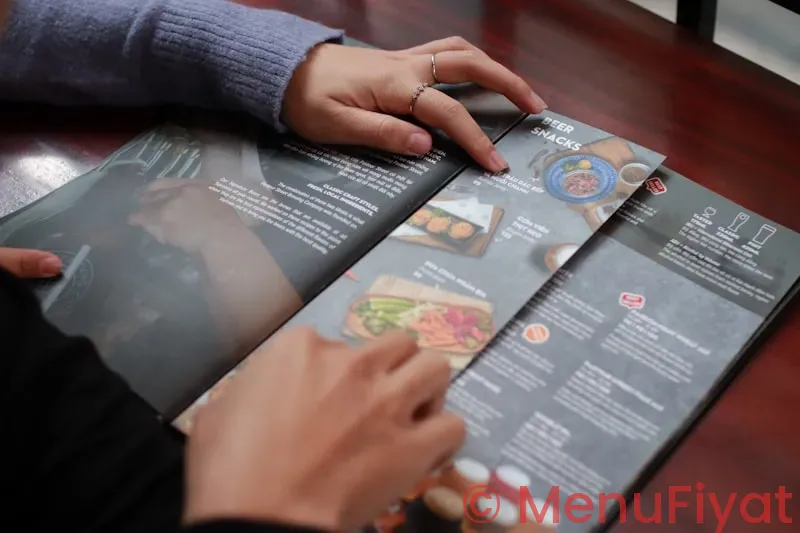
Effective menu links don’t just list food; they tell a story. They entice you with dynamic images and irresistible descriptions that make your taste buds tingle. It’s like walking past a bakery and inhaling that sweet symphony of freshly baked bread! The secret sauce? User experience. The easier it is to find what you crave, the more likely you are to hit that order button with enthusiasm.
Have you faced a clunky website that left you frustrated? Of course you have! The best online dining experiences are seamless, where each click is a step toward a mouthwatering feast. With well-structured menu links, you can savor every moment, transforming your online meal into a delightful adventure.
From Chaos to Clarity: The Role of Menu Links in User-Friendly Website Design
Imagine you’re at a buffet for the first time. If everything is laid out nicely, you can see which dishes tempt you. But if it’s all jumbled up, you might just grab whatever looks nearby without even tasting it! A well-structured menu serves a similar purpose. It groups content logically, allowing visitors to easily explore sections and discover offerings that appeal to them.
One vital aspect is to keep those menu links concise and descriptive. Users are inundated with information daily; they don’t want to wade through jargon or vague titles. Ever clicked on a link that sounded perfect only to be led astray, scratching your head at an unrelated page? Frustrating, isn’t it? Clear, descriptive links restrict confusion and encourage deeper engagement, turning casual visitors into loyal fans.
Moreover, consider mobile users. With a significant chunk of web traffic coming from smartphones, mobile-friendly menu links become crucial. A compact, easily navigable menu grants users the freedom to hop from one section to another without the annoyance of constantly pinching and zooming.
Connecting the Dots: The Importance of Strategic Menu Links in E-Commerce Success
Imagine strolling through a store without any clear pathways. Frustrating, right? That’s exactly how potential customers feel when your site’s menu is cluttered or confusing. Strategic menu links streamline their journey, making it easier to find products, special offers, or essential information. When your links are logically organized and easy to spot, visitors can hop from one section to another like jumping from one stepping stone to the next, feeling confident they’ll land where they need to.
Furthermore, think of menu links as an inviting handshake. They set the tone for your brand and create a sense of familiarity. By categorizing items cleverly—like putting all your trendy summer wear under a “Breezy Styles” tab—you not only capture attention but also make browsing an enjoyable experience. Ever clicked on a menu item only to be bombarded by a wall of text and images? That’s the online equivalent of walking into a store where everything’s jumbled together—it just feels overwhelming.
Good strategic menu links foster trust and encourage engagement. They beckon shoppers to dive deeper into your offerings, enticing them to explore ‘related products’ or discover that perfect complementary item. When customers feel guided, informed, and understood, they’re more likely to pull the trigger on a purchase. So, remember, in the world of e-commerce, clarity really is key!
The Culinary Connection: How Menu Links Ensure Smooth Navigation in Restaurant Apps
When you open the app, what’s the first thing you notice? The menu links! They’re the breadcrumbs guiding you through the culinary journey. Think of them as the signposts in a bustling city; without them, you’d be lost amidst the flavors. A well-structured menu not only showcases the dishes but does it in a way that feels intuitive. Have you ever found yourself scrolling endlessly on an app, trying to get to the dessert section? Frustrating, right? Menu links cut through that chaos, allowing you to jump straight to what you’re craving, whether it’s a spicy taco or a decadent chocolate lava cake.
Moreover, menu links enhance user experience by connecting you with special offers, dietary options, and chef recommendations seamlessly. It’s like having a knowledgeable server right at your fingertips, ready to guide your choices. You can compare dishes side by side or quickly find out if your favorite vegetarian option is available, all with a few taps.
Beyond the Plate: The Impact of Interactive Menu Links on Food Blogging
When food bloggers incorporate interactive menu links, they create a virtual feast that’s not limited to just scrolling and reading. It’s like stepping into a bustling farmers’ market where each stall offers something fresh and delightful. You’re no longer just a passive reader; you become an active participant in the journey, discovering related dishes and finding new inspirations with each tap.
Have you ever found yourself craving pasta while reading about tacos? With the right interactive links, you can seamlessly jump from one culinary delight to another, fueling your foodie fantasies. Even more exciting, these links provide a treasure trove of resources like nutritional information, ingredient swaps, or even video tutorials. It’s like having a culinary encyclopedia at your fingertips—who wouldn’t love that?
Linking Cuisine and Convenience: A Dive into Menu Link Optimization for Food Delivery Services

Imagine this: you’re hankering for some spicy Thai curry or a classic Margherita pizza, and you pull up your go-to food delivery app. You want to dive into the menus without having to wade through endless clicks. Menu link optimization is like giving that app a turbo boost, streamlining the way you browse through all the deliciousness on offer. The better optimized the links, the less time you spend searching and the more time you have for the excitement of eating!
Think of it as a well-organized pantry—when everything’s in its right place, grabbing your snacks is a joy. Similarly, effective menu link optimization ensures that all your favorite dishes come to the forefront without unnecessary detours. It’s about highlighting that juicy burger or that delectable vegan bowl front and center, ensuring you can order with just a few taps.
But it’s not just about quick access. This process also tailors your culinary journey to reflect what you love. By analyzing customer preferences and behaviors, food delivery platforms can personalize menu links, bringing your top choices to the top of the list. It’s as if your app knows you better than your best friend, with your cravings always at its fingertips.
So next time you’re scrolling through a food delivery app, remember that behind the scenes, menu link optimization is working hard to make your mealtime a breeze. Isn’t that a mouthwatering thought?
Frequently Asked Questions
How Can I Improve Menu Link Navigation on My Website?
Enhancing menu link navigation on your website involves organizing links logically, using descriptive labels, and ensuring compatibility across devices. Simplify the menu structure to reduce clutter, and prioritize important links for easy access. Consider dropdowns or mega menus for a better user experience, and ensure all links are functional and lead to the intended pages.
What Common Mistakes Should I Avoid with Menu Links?
Avoiding common pitfalls with menu links is crucial for a user-friendly website. Ensure that links are clearly labeled and organized logically. Check for broken links, as they hinder navigation. Keep the menu design simple and consistent across pages. Limit the number of links to avoid overwhelming users. Lastly, ensure that links are functional on all devices, particularly mobile, for an optimal user experience.
What Is the Difference Between Internal and External Menu Links?
Internal links connect pages within the same website, enhancing navigation and SEO by distributing page authority. External links point to pages on different websites, establishing credibility and fostering relationships. Understanding the distinction helps optimize site structure and improve user experience.
How to Create Effective Menu Links?
To create effective menu links, focus on clarity and user-friendliness. Use descriptive labels that accurately represent the linked content, keeping them concise to enhance readability. Ensure the links are organized logically based on user needs and prioritize important items. Incorporate dropdowns or submenus for better navigation without overcrowding the main menu. Regularly test for usability and revising based on user feedback to ensure a seamless experience.
What Are Menu Links and Their Purpose?
Menu links are navigational elements in a website or application that guide users to various sections or pages. They serve to enhance user experience by providing easy access to important content, making the site more intuitive and organized. Effective menu links help users find what they need quickly, improving overall navigation efficiency.