admin
admin First off, let’s talk about layout. Ever been overwhelmed by a cluttered menu? A clean, organized layout can make all the difference. Using clear categories and highlighting specials can lead hungry patrons straight to the good stuff. And don’t forget to play with descriptive language! Instead of just “grilled chicken,” why not steal the spotlight with “succulent, herb-marinated grilled chicken, kissed with a smoky char”? Words matter!
Now, let’s sprinkle in some psychology. Studies show that the first three and last items on your menu often get the most attention. What if you placed your most profitable dishes in these spots? It’s like placing your bestsellers on a pedestal; they naturally draw the eye. Pair this with strategic pricing—if you want to guide diners toward a premium option, putting a high-priced item next to something more affordable can make it feel like a steal.
And hey, don’t neglect the power of feedback! Regularly tweaking your menu based on what customers rave about can keep your offerings fresh and exciting. Think of it as a conversation with your diners; you wouldn’t want to repeat the same old story if they’re craving something new. Menu optimization takes effort, but when done right, it transforms mere dining into an unforgettable culinary adventure.
Revamping the Dining Experience: The Art and Science of Menu Optimization
When we talk about the art of menu optimization, we’re diving into the creative brain of a chef and the analytical mind of a marketer. It’s where delicious meets data. Have you ever noticed how certain dishes leap off the menu? That’s no accident! Strategic placement, enticing descriptions, and appealing language make all the difference. It’s like painting a masterpiece where every color catches the eye and evokes emotion.
Now, let’s chat science. Research indicates that people tend to choose items that are strategically highlighted or have vivid descriptions. So, sprinkling in some persuasive language isn’t just fluff; it’s a key ingredient. Imagine describing a dish as “decadent chocolate lava cake drizzled with raspberry sauce” instead of just “cake.” Which one sounds more tempting? Exactly! It’s all about harnessing the power of words to create a sensory experience.
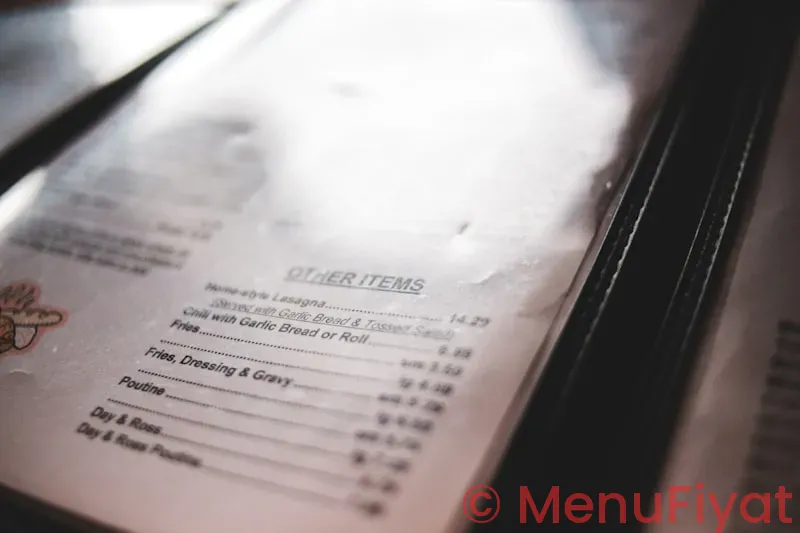
But wait, it goes deeper! Numbers play a role here too. Analyzing customer preferences and purchase patterns can reveal which dishes are winners and which ones might need a little less spotlight. It’s like having a backstage pass to your own restaurant’s show. By paying attention to what customers crave, you can fine-tune your menu to be a symphony of flavors that resonates with every taste bud in the room.
So, revamping the dining experience isn’t just about good food; it’s about creating a captivating menu that transforms a meal into an unforgettable occasion. Isn’t that the magic we all seek?
How Menu Optimization Can Transform Your Restaurant’s Bottom Line
Imagine a diner flipping through a beautifully designed menu that highlights your best dishes and cleverly suggests combos. That’s menu optimization at work! By strategically placing high-margin items at the top or spotlighting chef’s specials, you guide your customers toward what you want them to order—and what you want them to pay for.
Let’s talk about the power of language. Describing a dish isn’t just a formality; it’s an art. Ever tried a “succulent herb-roasted chicken with a velvety garlic cream sauce”? That tantalizing description isn’t just for flair; it paints a picture in the diner’s mind that makes their mouth water. When your menu speaks to the senses, customers can’t resist adding items to their order.
And don’t forget about seasonal items! Fresh, locally sourced dishes not only entice customers but also give your restaurant a trendy edge. Plus, they’re usually more cost-effective and help reduce waste. It’s like hitting the jackpot with less effort!
When it comes to menu design, simplicity is key. A clean layout with easy-to-read fonts ensures that your customers don’t spend too much time deciphering what to order. Instead, they can focus on enjoying the experience—leading to happier diners and more tips in your pocket!

Now, tell me, wouldn’t you want to maximize every dollar while making your customers feel like they’ve hit a culinary jackpot? That’s the magic of menu optimization!
Beyond the Plate: Strategies for Effective Menu Design and Optimization
Imagine walking into a restaurant and being welcomed by a visually appealing menu that feels like it tells a story. That’s the first trick to effective menu design—visual hierarchy. Use font sizes and styles to draw attention to your signature dishes, much like how a movie poster showcases the star of the show. Colors can evoke emotions too; warm tones make people feel cozy, while bright colors can spark excitement. Isn’t that fascinating?
Now, let’s talk about descriptions—this is where the flavor really comes alive! Instead of simply listing “grilled salmon,” why not say “succulent grilled salmon kissed by lemon and herbs, served on a bed of seasonal greens”? Instantly, your dish tantalizes taste buds and ignites imaginations. Crafting engaging descriptions creates an experience, making diners eager to indulge.
And hey, don’t forget about pricing! Think of it as a psychological game. Ever noticed how restaurants often price items ending in .99? That’s strategic. It’s all about perception. Keep your prices close to whole numbers to make them feel more approachable. It’s like giving your guests a VIP pass to deliciousness without breaking the bank.
The Menu Makeover: Top Trends in Culinary Optimization for 2024
First off, sustainability is taking center stage. Diners today want to know where their food comes from. Think of it as a badge of honor for restaurants to showcase local and seasonal ingredients. Imagine biting into a beautifully plated dish while the server tells you about the farm just a few miles down the road. It’s not just a meal; it’s a relationship with the food and its origins.
Next up, we can’t ignore the power of technology. Ever thought about ordering food through a tablet that suggests meals based on your dietary preferences? It’s as if your menu is reading your mind! AI and data analytics are beginning to personalize menu offerings, ensuring that diners get exactly what they crave without even saying a word. This technology enhances the dining experience, making it smoother and more enjoyable.
Oh, and let’s not forget about health-conscious options. With plant-based diets on the rise, menus are getting a healthy facelift. Imagine flipping through a menu with vibrant, colorful dishes that not only look good but are also packed with nutrients. It’s like a beautiful rainbow for your plate!
As we look toward 2024, the menu makeover is more than just a trend; it’s a revolution. It’s about elevating the dining experience, inviting guests on a delightful journey through taste, sustainability, and innovation. So, are you ready to explore this culinary evolution?
Frequently Asked Questions
What Factors Should I Consider for Pricing My Menu Items?
When pricing your menu items, consider factors such as food cost, labor expenses, competitor pricing, market demand, and perceived value. Ensure prices cover costs while remaining attractive to customers. Regularly review and adjust pricing in response to changes in ingredient costs and customer preferences.
How Can I Improve My Restaurant’s Menu Design?
Enhancing your restaurant’s menu design involves focusing on visual appeal, readability, and strategic layout. Use high-quality images, clear fonts, and a logical flow to guide customers through their choices. Highlight signature dishes, and consider color psychology to influence appetite and mood. Incorporating digital options can also modernize your menu and allow for easy updates.
How Do I Analyze Menu Performance Effectively?
To effectively analyze menu performance, track key metrics such as sales volume, item popularity, and profit margins. Utilize data from point-of-sale systems to identify trends and customer preferences. Monitor menu item contribution to overall revenue and adjust pricing or promotions based on performance insights. Regularly review seasonal changes and customer feedback to optimize your offerings.
What Techniques Can Help Increase Sales Through Menu Optimization?
Utilizing menu optimization techniques can significantly boost sales by enhancing customer experience and improving profitability. Focus on strategic layout designs to highlight high-margin items, implement psychological pricing to encourage purchases, and employ descriptive language to entice customers. Regularly analyze sales data to identify trends and adjust the menu accordingly. Offering limited-time promotions and seasonal items can create urgency and stimulate interest, ultimately leading to increased sales.
What is Menu Optimization and Why Is It Important?
Menu optimization involves strategically designing a restaurant menu to enhance customer experience and boost sales. It focuses on item placement, pricing strategies, and visual appeal to highlight high-profit dishes and improve overall efficiency. Effective menu optimization can lead to increased customer satisfaction, higher average order values, and improved operational performance.