admin
admin Why stick to dusty old paper menus when you can have colorful graphics and captivating animations doing the talking? Picture this: as you wait in line, you’re mesmerized by mouth-watering images of delicious dishes rotating on the display. It’s like a mini-movie showcasing all the culinary delights waiting for you, sparking cravings you didn’t even know you had.
But it’s not just about looks; it’s about functionality too. A menu display TV can be updated in real-time. Got a new special or a seasonal treat? Just a few clicks and voilà—everyone in line sees it instantly! No more wasting time printing and replacing menus or worrying about outdated information. Plus, these screens can easily highlight deals or promotions, grabbing attention like a neon sign on a dark night.
And let’s not forget the impact on social media. A beautifully designed menu display can become a talking point, encouraging customers to snap pics and share their experiences online. Think of it as free advertising every time someone tags your establishment.
In a world where first impressions count, a menu display TV isn’t just a nice touch—it’s a smart investment that speaks volumes about your business. So, why settle for ordinary when you could electrify the atmosphere and engage your customers in a vibrant, visually stunning way?
Revolutionizing Dining: How Menu Display TVs are Changing Restaurant Experiences
Have you ever felt overwhelmed by a lengthy menu? With menu display TVs, you can say goodbye to the stress of scrolling through endless options. Picture this: you walk in, and a dynamic slideshow of daily specials greets you, enticing your taste buds before you even sit down. It’s like having your own personal food tour right at your fingertips! By presenting clear images and engaging descriptions, these screens can make even the most unassuming dish seem like a culinary masterpiece.
Let’s talk about flexibility—menu display TVs are game-changers here. Restaurants can update their offerings in real time, reacting to ingredient availability or even seasonal changes. Remember that one dish you loved that suddenly disappeared from the menu? With digital displays, it can pop back up anytime, making sure you never miss out on a savory delight again. Plus, their vibrant colors and animations capture attention like a dazzling magician pulling rabbits from hats, keeping guests entertained while they wait.
The Future of Ordering: Why Menu Display TVs are a Game-Changer for Fast Food Chains
Think about it: we live in a world where visuals speak volumes. When a luscious double cheeseburger or crispy chicken sandwich flashes across a high-definition screen, it’s hard to resist. Menu display TVs don’t just show you options; they tantalize your taste buds! This is all about creating an atmosphere where decisions are easier, and cravings are awakened.
But there’s more to it than just mouthwatering visuals. Ever wondered why so many fast food chains are hopping on this bandwagon? It’s simple: data. These smart displays can be programmed to showcase best-sellers during peak hours or promote new items that you might not have even considered. Just like how a well-timed sale at your favorite store draws you in, targeted menu promotions can skyrocket sales, all while keeping the customer experience seamless.
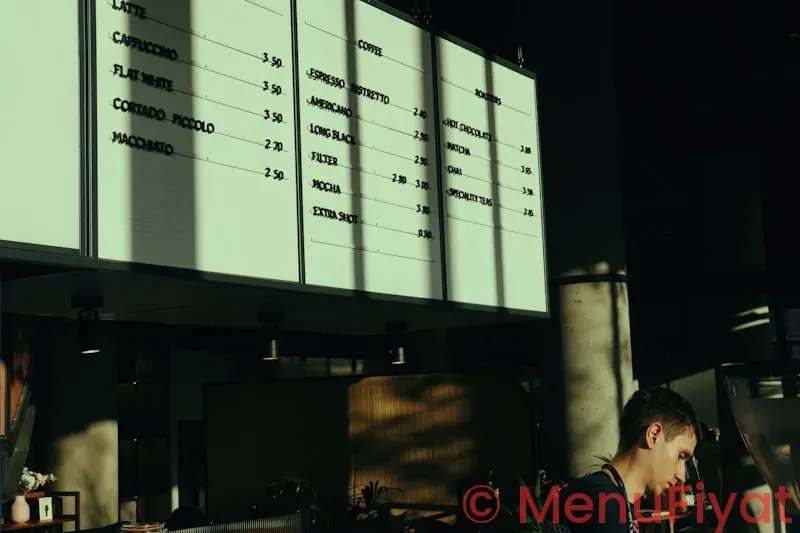
Another game-changer? Flexibility. If a certain burger is not selling well, chains can quickly swap it out for a different dish with minimal fuss. Change is the only constant in the food industry, and these dynamic displays allow brands to stay ahead of the curve. Plus, you can forget about waiting in long lines—self-ordering kiosks often paired with menu display TVs let you decide what you want at your own pace.
Visual Appeal: The Impact of Menu Display TVs on Consumer Choices and Sales
Think about it—when you see a vibrant image of a gooey cheese pizza or a perfectly crafted smoothie, it’s hard not to feel tempted. Those lifelike visuals engage your senses, sparking cravings that might’ve been dormant a moment ago. It’s similar to flicking through a glossy magazine filled with eye-catching photos; each page draws you in deeper, making it almost impossible to resist exploring further.
But why exactly do these menu displays wield such power? They’re not merely conveying information; they’re storytellers, painting a mouthwatering narrative that resonates emotionally with diners. In fact, studies suggest that menu items showcased on screens tend to enjoy a sales boost of up to 30%! That’s like a gold mine for any business.
Plus, the flexibility of these screens is a game-changer. You can easily swap out images, highlight specials, or promote new seasonal items—all in real-time! Picture standing in line, staring at a changing display that not only showcases what’s on offer but also entices you with limited-time deals. It’s like having a conversation with the menu itself, urging you to make that impulse buy.
From Static to Dynamic: The Benefits of Implementing Menu Display TVs in Your Eatery
First off, let’s talk about the eye-catching factor. A well-designed menu display TV can showcase your dishes in mouth-watering detail. Think scrumptious pizza bubbling with cheese, and fresh salads glistening in sunlight; it’s like marketing your food with a lavish photo shoot. Customers are more likely to order more when they’re visually stimulated, and let’s face it, we eat with our eyes first!
But wait, there’s more! With dynamic menus, you can easily update offerings in real-time. Running out of that popular dessert? No problem! You can swap it out for today’s special without reprinting tons of menus. This flexibility saves time and money while keeping your offerings fresh. It’s like having a digital assistant who knows exactly what your customers crave.
Moreover, these screens can tell stories, offering insights into ingredients or even chef specials. They can create an emotional connection, turning a simple meal into an experience. Ever thought about using them for promotional videos or happy hour announcements? You can engage patrons even before they sit down to order!
Frequently Asked Questions
Can I Use a Menu Display TV for Digital Signage?
A menu display TV can be utilized for digital signage as it is designed to showcase dynamic content effectively. However, ensure that it meets necessary specifications, such as resolution, brightness, and connectivity options, to fulfill your digital signage needs.
What is a Menu Display TV?
A Menu Display TV is a specialized digital display used to showcase menus, information, or promotional content in various settings, such as restaurants or retail environments. These TVs allow for dynamic content updates, improving customer engagement and enhancing the overall experience.
What Features Should I Look for in a Menu Display TV?
When selecting a menu display TV, consider screen resolution for clear visuals, size for visibility in your space, connectivity options for compatibility with devices, brightness for readability in various lighting conditions, and ease of use for quick updates and management of content.
How Do I Troubleshoot Common Issues with Menu Display TVs?
To troubleshoot common issues with menu display on TVs, start by checking the connections between your TV and any external devices. Ensure all cables are secure and undamaged. If the menu does not appear, try resetting the TV by unplugging it for a few minutes. If the problem persists, check the TV settings for display options and update the firmware if needed. Additionally, consult the user manual for specific troubleshooting steps related to your TV model.
How Do I Set Up a Menu Display TV?
To set up a menu display TV, begin by placing the TV at an appropriate height and angle for visibility. Connect the power supply and ensure it is plugged in. Use HDMI or other appropriate cables to connect the TV to a source device, such as a computer or media player, which will provide the content. Turn on the TV and select the correct input source. Configure the display settings, including resolution and aspect ratio, to match your content needs. Finally, arrange the menu layout using software or digital signage tools to create an engaging display.