admin
admin Picture this: You’re planning a dinner party, and you want to impress your friends with a fantastic meal from that new Italian bistro. Instead of fumbling through website links or social media pages, you simply download the menu PDF at the speed of light. Instantly, you’ve got the full scoop on everything from appetizers to desserts, complete with prices and ingredients. It’s as if you have a VIP pass to the culinary offerings!
Why are Menus PDF becoming a favorite lately? It’s pretty simple. For starters, they’re user-friendly. You can easily save, share, or print them out—whichever suits your fancy! Plus, they look great on your phone or tablet, making meal planning a breeze. Think about it: no more eye-straining web pages that take too long to load. With a PDF, the details pop right out at you.
And let’s not forget the added bonus of updates. Restaurants can quickly revise their offerings, seasonal specials, or prices. If you’re a fan of special deals, having the latest menu available in PDF means you’re always in the know. Plus, it saves you from those awkward moments when you walk into a restaurant only to find that your favorite dish is no longer available.
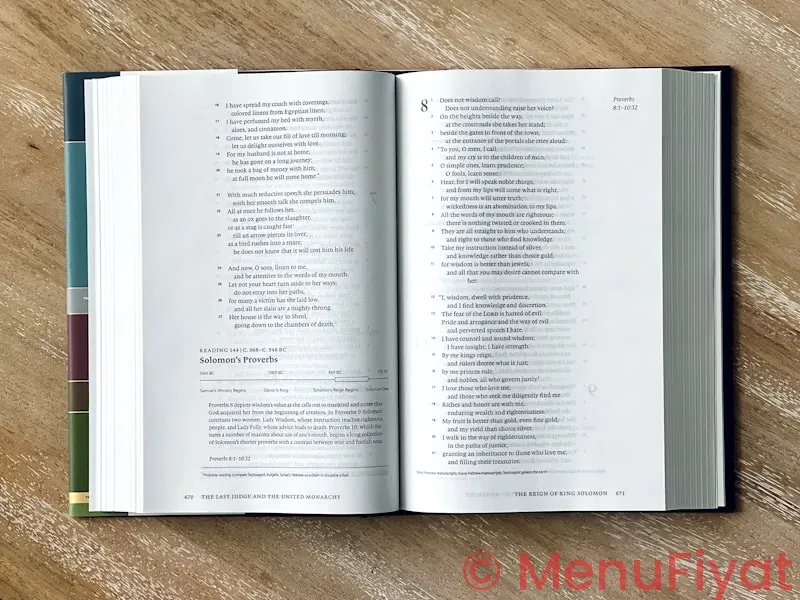
So, if you haven’t jumped on the Menus PDF bandwagon yet, now is the perfect time to do so!
Revolutionizing Dining: The Rise of PDF Menus in the Restaurant Industry
Gone are the days of tattered paper menus. With PDF menus, restaurants can update their offerings instantly. Thinking of adding that drool-worthy vegan burger to the lineup? No problem! Customers can see the freshest dishes, complete with mouthwatering images and up-to-the-minute prices, all at their fingertips. It’s like having a mini-website dedicated to your meal.
Not only does this tech-savvy approach make dining more exciting, but it also enhances safety. In today’s world, food safety and cleanliness are paramount. PDF menus eliminate the need for shared paper menus that can carry germs. Instead, patrons can browse the menu on their phones, reducing contact and promoting a safer dining environment. Isn’t that a win-win?
And let’s talk about accessibility. PDF menus are more versatile and easier to adapt for those with dietary restrictions or allergies. With just a click, you can filter out options or easily find gluten-free choices. That’s empowerment for diners who want to make informed decisions about their meals.
Furthermore, PDF menus open new avenues for storytelling. Restaurants can share the inspiration behind their dishes, highlighting local ingredients or featuring the chef’s journey. It’s like getting a backstage pass to your meal, making the dining experience way more connecting and interactive.
From Print to Pixel: How PDF Menus Are Transforming Culinary Experiences
So, what’s the big deal about PDF menus? For starters, they bring flexibility that traditional menus simply can’t match. Restaurants can update their offerings in real-time, ensuring diners are seeing the latest dishes, specials, or even promotions—no more worrying about what’s “in” or “out.” It’s like having a personal chef who updates your dining options on a whim! Plus, these digital menus can be designed to be visually stunning, showcasing mouthwatering images that can make even a simple pasta dish look like a gourmet meal.
But there’s more! PDF menus enhance accessibility for everyone. Diners can easily zoom in on text or switch to different languages, making them super user-friendly. This inclusivity can turn a meal into an experience where everyone feels welcome and informed. Plus, with the planet in mind, many restaurants are also ditching the paper waste associated with traditional menus. It’s a win-win situation—delicious food and a greener footprint.
Utilizing PDF menus can famously improve customer engagement. Imagine the potential for interactive elements! You can click on a dish to see the chef’s recommended wine pairing, or it can suggest a dessert that complements your meal. Isn’t that like having a personal culinary guide right on your smartphone?
The Digital Menu Solution: Why Restaurants Are Opting for PDF Formats
Imagine walking into your favorite dining spot. Instead of a laminated, sticky menu, you’re handed a sleek tablet or given a quick QR code to scan. Voilà! You’re greeted with a vibrant digital menu that’s clearly organized and easy to navigate. Sounds appealing, right? PDF formats are a game-changer here. They lend themselves to stunning imagery and detailed descriptions, presenting each dish like a culinary work of art. Plus, they easily maintain their stylish layout on any device.
Now, think about the constant updates restaurants face—seasonal specials, price changes, and new dishes. Traditional printed menus become outdated faster than you can say “menu revamp.” With PDF digital menus, updates are as quick as a click. Managers can make changes in seconds without wasting paper or money on reprints. It’s not just eco-friendly—it’s also a smart business move!
Also, consider accessibility. A PDF format can be optimized, making it easier for everyone, including those with visual impairments, to enjoy a delightful dining experience. Just like finding your way around a well-organized home, a well-crafted digital menu makes navigating the offerings a breeze.
PDF Menus: A Sustainable Alternative to Traditional Restaurant Menus
Imagine you walk into a trendy café. Instead of the same old laminated menu, you grab your phone, scan a QR code, and voilà—a vibrant PDF menu pops up right in front of you. The colors are sharp, the food photos pop, and you can actually zoom in to see that delicious gooey cheese on the lasagna that’s taunting you. It’s like having a personal chef whispering “Hey, try this!” straight into your ear.
Not to mention, PDF menus are super easy to update. If a restaurant runs out of that fancy fish dish or wants to introduce a seasonal vegan burger, they can simply tweak their PDF and voilà—no more messy reprints or outdated information. Plus, they can add interactive elements, like links to online ordering or nutrition facts. It’s a win-win!
Sustainability isn’t just a buzzword anymore; it’s a necessity. By choosing PDF menus, restaurants can save trees and reduce waste, all while showcasing their culinary masterpieces in a modern way. You get to enjoy your meal while feeling good about your choice. Kind of like indulging in a slice of chocolate cake—but without the guilt! So, the next time you’re out dining, remember that choosing a PDF menu isn’t just a tech-savvy move; it’s a tasty step toward a greener future.
Navigating the Flavor: How PDF Menus Enhance Order Accuracy and Customer Experience
Imagine scrolling through a PDF menu on your phone, each dish flaunting its vibrant colors and mouthwatering descriptions. It’s like flipping through a gourmet magazine, where your taste buds tingle at the thought of every bite. With a PDF menu, customers can take their time to browse, making it easier to read and understand every option. No more squinting at tiny print or miscommunicating with a busy waiter!
And let’s talk about accuracy. Have you ever ordered something only to receive a dish that looks nothing like what you expected? With PDF menus, each item can be precisely detailed. This means fewer mix-ups—your spicy chicken curry arrives just as you imagined, instead of a mysterious “chef’s surprise.” It’s a win-win!
Plus, PDF menus are dynamic. They can easily be updated to reflect seasonal items or daily specials without the need for printing and wasting paper. This means customers are always in the loop, enjoying fresh flavors as they come. Isn’t that just like having a little culinary adventure at your fingertips?
Frequently Asked Questions
How to Edit a Menus PDF?
To edit a menus PDF, use a PDF editing software or online tools. Upload the PDF, make the necessary changes such as adding text, images, or modifying existing content, and then save or export the file in PDF format. Ensure to check for any formatting issues before finalizing the edit.
What Software is Best for Menus PDFs?
There are various software options for creating PDFs for menus, with popular choices including Adobe Acrobat for professional features, Canva for easy design, and Microsoft Word for straightforward text and layout customization. Select software based on your design needs, ease of use, and specific features required for menu presentation.
What is a Menus PDF?
A Menus PDF is a digital document that presents a restaurant or café’s menu in a structured format, allowing users to view food and beverage options along with prices. It is often designed for easy sharing and accessibility, enabling customers to browse the menu from their devices before dining.
How to Share or Print a Menus PDF?
To share or print a PDF of your menus, first open the file in a PDF viewer. For sharing, use the ‘Share’ or ‘Send’ option to email or upload it to cloud services. To print, select ‘Print’ from the menu, choose your printer, adjust settings as needed, and click ‘Print’.
How to Create a Menus PDF?
To create a PDF of menus, begin by selecting a design tool or software that allows you to format your menu layout. Enter your menu items, prices, and descriptions, and customize the appearance with graphics and styling options. Once your design is complete, export or save the document as a PDF file. Ensure that the PDF maintains the formatting and is easily readable for your audience.