admin
admin 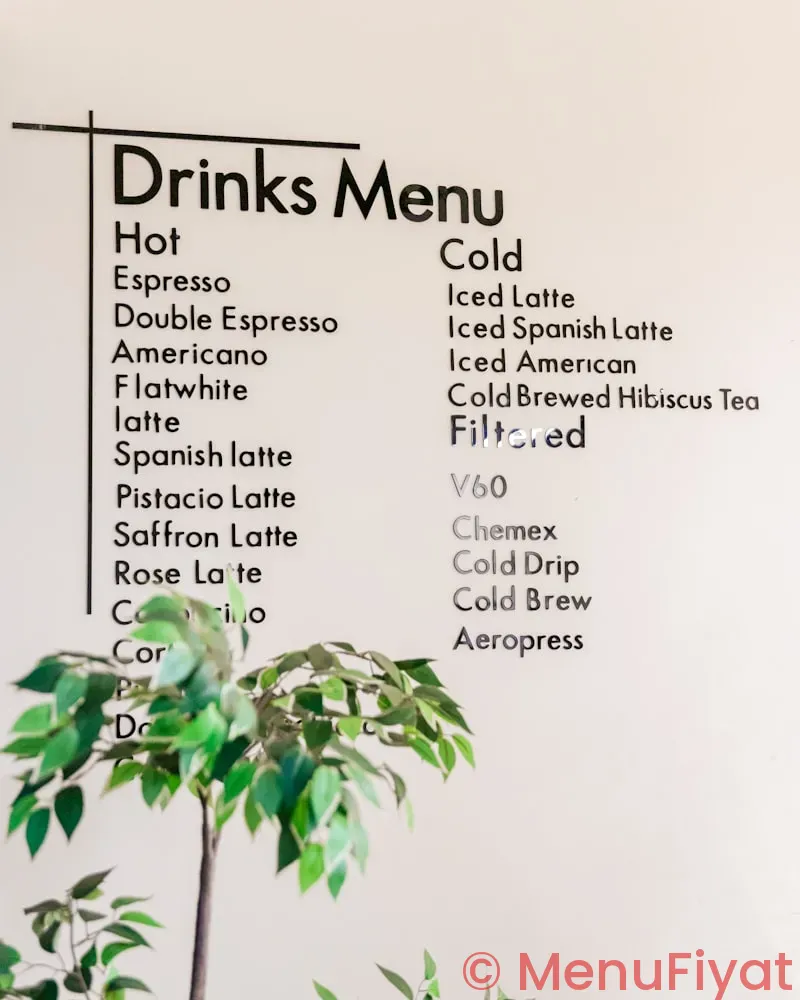
Menus can be like treasure maps guiding you to your next healthy meal. Have you ever noticed how some places highlight their dishes by showcasing fresh vegetables, lean proteins, and healthy fats? This isn’t just eye candy; it’s an appealing way to help you make better choices. Think of it as upgrading your meal from a simple fuel stop to a delightful exploration of flavors that also nourish your body!


And then there’s the need for transparency. Diners appreciate knowing what’s on their plates—and not just for dietary goals! Imagine being able to glance at a menu and instantly understand the calorie count, the carbs, the protein content. It’s like having a nutritional genie granting you the wisdom to eat consciously. Why not empower yourself with knowledge?
Menus can also cater to various lifestyles. Whether you’re vegan, keto, or gluten-free, a well-designed menu can make your dining experience feel like a tailored suit rather than an awkward fit. Plus, it encourages chefs to explore creative ingredient pairings that showcase the delightful versatility of wholesome foods.
So, next time you flip open a menu, consider it more than just a list of dishes. It’s an invitation to a culinary adventure that speaks to your wellness and taste buds alike. Wouldn’t you agree that a little thoughtfulness on the menu can inspire healthier choices?
Transform Your Plate: How Innovative Menus are Redefining Nutrition
Picture this: gone are the days when healthy eating meant bland salads and tasteless grains. Now, chefs and nutritionists are teaming up to create vibrant dishes that look as good as they taste. Imagine a bowl bursting with colors, featuring rainbow quinoa, grilled veggies drizzled with zesty tahini, and a sprinkle of edible flowers. It’s like a work of art and a health boost on your table!
Have you noticed how the buzzword “superfoods” has infiltrated our menus? These nutrient-dense powerhouses—think kale, acai berries, and spirulina—are no longer just gimmicks; they’re becoming staples. Restaurants are offering interactive experiences where you can learn the origin and benefits of these foods while enjoying a curated tasting menu. It’s not just a meal; it’s a mini health class.
And let’s talk about the rise of plant-based diets. More and more, you’ll find dishes designed for both vegans and non-vegans, each bite enticing regardless of your food preferences. The flavor explosion in a well-crafted veggie burger can make you forget it’s meatless. You might even stumble upon one that tastes better than the traditional counterpart—now that’s a win-win!
The Science of Flavor: Crafting Nutrient-Dense Menus Without Sacrificing Taste
Now, picture this: you’ve got a plate full of vibrant veggies, grains, and proteins. If done right, this plate can burst with flavor, making taste buds dance with joy instead of feeling like a chore. How? It’s all about layering flavors—think of it as building a delicious symphony. Start with fresh herbs, a squeeze of lemon, or a dash of spices, and watch how they elevate even the simplest ingredients. Ever tried roasting vegetables? The caramelization brings out their natural sweetness, and suddenly, they’re not just good for you, but downright addictive.
But here’s a question for you: have you ever considered how aroma contributes to flavor? It’s like the unsung hero in your culinary adventures! Those enticing scents whetting your appetite? They’re your brain’s way of signaling that tasty things are on the way. So, don’t shy away from toasting nuts or searing proteins; those sizzling sounds mean you’re enhancing your dish’s overall profile.
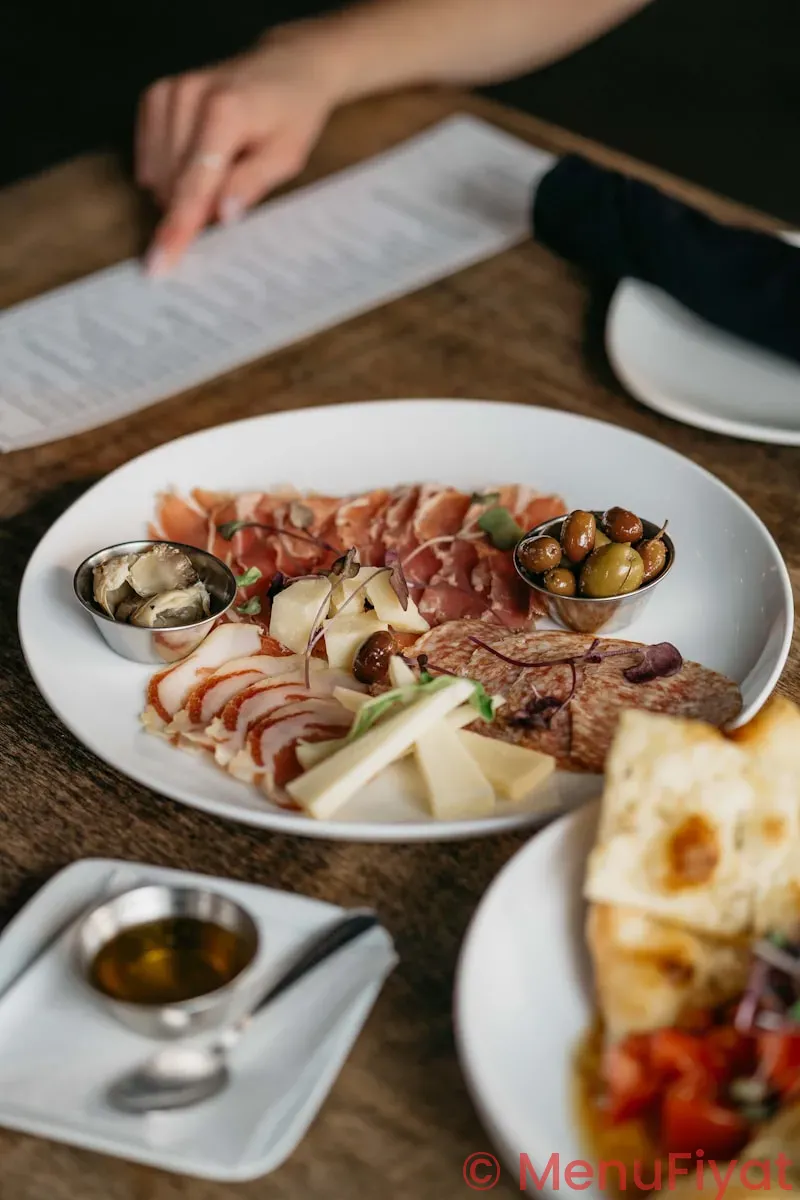
Crafting menus that are nutrient-dense doesn’t mean skimping on taste. Think of it as reimagining comfort food. Just because something is healthy doesn’t mean it can’t satisfy your cravings. So, roll up your sleeves and experiment—combine textures, play with herbs, and let your creativity soar. After all, eating well doesn’t have to be bland; it can be a flavorful journey worth savoring!
From Farm to Table: The Rise of Locally Sourced Ingredients in Restaurant Menus
Think about it—when chefs use ingredients grown in their own backyards, each dish tells a story. Instead of bland, transported produce, you get vibrant veggies and meats that are just a hop, skip, and a jump from the kitchen. Local sourcing isn’t just about taste; it’s also about supporting community farmers. When restaurants buy direct from growers, they help sustain local economies and reduce environmental impact. It’s like nurturing a relationship; the more you invest in your neighbors, the richer your culinary landscape becomes!
And let’s face it, local ingredients make for irresistible menu items. Seasonal specials spring up like wildflowers, drawing in diners eager for something that tastes of the moment. The thrill of waiting for summer tomatoes or the first harvest of asparagus creates a sense of anticipation that fully enhances the dining experience. Plus, many restaurants love to showcase their local partnerships. You’ll often see “farm fresh” splashed across menus, inviting you to savor dishes that are as ethical as they are delicious.
Healthy Choices Made Easy: The Impact of Calorie Counts on Restaurant Menus
Imagine this: You walk into your favorite eatery, and before your mouth waters over that cheesy pasta, you see the calorie count glaring back at you. Those numbers are more than just digits; they’re like a flashlight in a dark room, illuminating the nutritional landscape. Suddenly, you might think twice about that calorie-laden dish and consider a veggie-packed salad instead. This is why having calorie counts on menus can be a game-changer. They help you make informed decisions, encouraging you to opt for healthier choices without sacrificing flavor.
But it’s not just about guilt—it’s about empowerment! You wouldn’t stroll into a library and pull random books off the shelves, right? You’d pick something that piques your interest. Similarly, calorie information lets you pick meals that not only satisfy your taste buds but also align with your health goals.
And let’s face it, the world of eating out can feel like a buffet of temptations. With calorie counts, those temptations become choices. They turn the abstract idea of “healthy eating” into concrete options that feel achievable. Plus, when restaurants embrace this transparency, it’s like a badge of honor—they’re showing they care about diners’ well-being.
So next time you’re perusing that menu, remember: calorie counts aren’t there to shame you; they’re your allies. They make healthy eating less of a struggle and more of an enjoyable experience. It’s like having a trusty sidekick that nudges you toward making choices that fuel your body and keep your spirits high.
Eating Well on a Budget: Nutritional Menus That Won’t Break the Bank
First up, think about harnessing the power of grains. Foods like quinoa, brown rice, and oats are not only inexpensive but are also nutritional superheroes. They’re packed with fiber and can fill you up fast, meaning you won’t munch on those pricey snacks later. Picture a warm bowl of quinoa topped with roasted veggies and a sprinkle of feta cheese—delicious and oh-so affordable.
Next, let’s get to the protein party! Canned beans are your best friend here. They’re versatile, easy to toss into salads, soups, or even tacos, and they pack a nutritional punch. You could whip up a colorful bean salad with some fresh tomatoes, corn, and a zesty dressing. Add a side of whole-grain tortillas, and you’ve got a meal that’s not only delicious but also light on the wallet.
Don’t forget about seasonal fruits and veggies. Eating what’s in season is a savvy strategy, like catching a wave while surfing. They’re fresher, tastier, and often cheaper! Think hearty winter squash in the fall or juicy berries in the summer. Just imagine a salad bursting with flavor—fresh greens, seasonal fruit, nuts, and a simple vinaigrette. It’s an extravagant feast without the extravagant price tag.

Cooking in batches can also save you a ton of cash. Make a big pot of soup or stew on the weekend and enjoy it throughout the week. It’s like having a treasure chest of meals waiting for you when you’re short on time. When you combine convenience with nutrition, it’s a win-win! So, get creative, adjust those recipes, and let your budget flourish with delicious, healthy meals.
Frequently Asked Questions
What Nutritional Information Should Be Included on Menus?
Menus should clearly display nutritional information including serving size, calories, total fat, saturated fat, trans fat, cholesterol, sodium, total carbohydrates, dietary fiber, sugars, and protein. This information helps consumers make informed dietary choices and understand the nutritional value of their meals.
What is the Importance of Menus in Nutrition?
Menus play a crucial role in nutrition by helping individuals plan balanced meals. They provide structure and guidance, making it easier to select foods that meet dietary needs and preferences. By outlining available options, menus can promote healthier eating habits, reduce food waste, and improve meal variety, ultimately contributing to better overall health.
How Do Menus Affect Healthy Eating Habits?
Menus play a crucial role in influencing food choices and healthy eating habits. They provide structured options that can encourage balanced meals and help individuals make informed decisions about their diet. By featuring healthier choices prominently and providing clear nutritional information, menus can guide diners towards more nutritious selections, ultimately promoting better eating habits.
What Are Common Dietary Labels Found on Menus?
Dietary labels on menus help diners identify food options that fit their dietary preferences or restrictions. Common labels include ‘Gluten-Free,’ indicating no wheat or gluten-containing ingredients; ‘Vegan,’ meaning no animal products; ‘Vegetarian,’ which excludes meat but may include dairy and eggs; ‘Low-Calorie,’ indicating fewer calories per serving; and ‘Nut-Free,’ highlighting dishes without nuts. These labels allow customers to make informed choices based on their dietary needs.
How Can I Create a Balanced Menu for My Diet?
To create a balanced menu for your diet, include a variety of food groups: proteins, carbohydrates, fats, vitamins, and minerals. Aim for portions that provide the right nutrients while considering your personal energy needs. Incorporate plenty of fruits, vegetables, whole grains, lean proteins, and healthy fats. Plan meals and snacks ahead of time to ensure diversity and balance, and adjust based on dietary restrictions or preferences.