admin
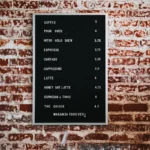
admin Think of it like your favorite movie trailer. With vibrant images, engaging animations, and enticing descriptions, a digital menu board can make even a simple cup of coffee look like a tantalizing treat. It’s all about using striking visuals and clear typography to grab attention in an instant. Have you ever noticed how a well-lit, colorful burger photo can make your stomach growl? That’s the magic of good design!
But let’s not forget functionality. A digital menu board is your secret weapon for keeping customers informed. Want to highlight a new seasonal drink or a special deal? No problem! With just a few clicks, changes can be made instantly. It’s like having a virtual assistant ready to showcase the day’s specials without the hassle of reprinting menus. Plus, if you’re serving different locations, you can manage all your boards from one central hub, making it a breeze.
Color and font can make all the difference; using warm tones can create a cozy feel, while sleek, modern designs can give a high-end vibe. Think of your digital menu board as the welcome mat to your establishment. It should reflect your brand’s personality and resonate with your target audience.
Revolutionizing Dining: How Digital Menu Boards Are Transforming Restaurant Experiences
Digital menu boards rock because they can be updated in real-time. Craving a juicy burger? What if the special for today features a bacon cheeseburger with a new sauce that just hit the kitchen? With a few taps, the staff can showcase that mouthwatering dish, enticing your taste buds. No more outdated menus stuck in a plastic sleeve! Plus, these screens can display dazzling images and videos that make you feel like you’re diving into a flavor explosion before you even place your order.
Ever thought about personalization in dining? Well, digital menu boards can cater to your preferences. They can adapt based on the time of day, trending dishes, or even dietary needs, showing up dishes that are lighter in the morning and heartier at dinner. It’s like having a personal chef guiding you every step of the way.
And let’s not forget about efficiency. When it’s busy, the last thing anyone wants is a long line. Digital boards streamline the ordering process. Customers can quickly glance at the menu, make decisions faster, and get on with their day. Think of it as a GPS for your hunger—it navigates the menu effortlessly, leaving you with more time to enjoy your meal and catch up with friends.
Ultimately, digital menu boards are revolutionizing dining. They blend technology and cuisine in a way that keeps customers excited and engaged. So next time you feast at a restaurant, take a moment to appreciate the innovation that’s changing your dining experience into something truly extraordinary.
The Art of Attraction: Designing Engaging Digital Menu Boards That Capture Customer Attention
First things first, let’s talk about visuals. The human brain loves visuals; it processes images 60,000 times faster than text. So, why not use that to your advantage? Bright colors, mouth-watering images, and bold fonts can transform an ordinary menu into a visual feast. Think of your digital menu board as a poster for a blockbuster movie—you want it to stand out on the street and make passersby stop in their tracks.
Next up is the power of storytelling. You’re not just selling food; you’re sharing an experience. Craft catchy headlines and descriptions that evoke emotions. Instead of writing “cheeseburger,” why not say “a mouthwatering, juicy cheeseburger that melts in your mouth with every bite”? Doesn’t that sound more appealing? And remember, humor can be a magnetic force too. A clever pun or quirky description can break the ice and make customers smile.
Now, let’s not forget about clear navigation. If customers find themselves lost in a sea of options, they’re likely to wander out without making a purchase. Organizing menu items into clear categories and using enticing calls-to-action can guide them toward their tasty destination.
Navigating Trends: The Future of Digital Menu Board Design in a Post-Pandemic World
So, why should you care about digital menu boards? Well, they’re more than just a pretty face. In a time when people are craving connection and engagement, these boards offer a way to communicate effectively with customers. Think about it: with dynamic content, you can showcase daily specials, promote seasonal items, or even share a fun fact about your delicious cupcakes! It’s like having a conversation, but in pixels.
Furthermore, interactivity is the name of the game. Imagine customers tapping on a screen for more information, or even making their own selections without a long line forming behind them. This not only enhances the customer’s journey but can also lead to increased sales. It’s akin to having a personal shopping assistant right on the wall!
Another trend emerging is the use of data analytics in these boards. By analyzing what customers are most interested in, businesses can quickly adapt their offerings, creating a personalized touch. It’s like knowing what your best friend wants for dinner without them saying a word.
From Static to Dynamic: The Advantages of Upgrading to Digital Menu Boards in Your Establishment
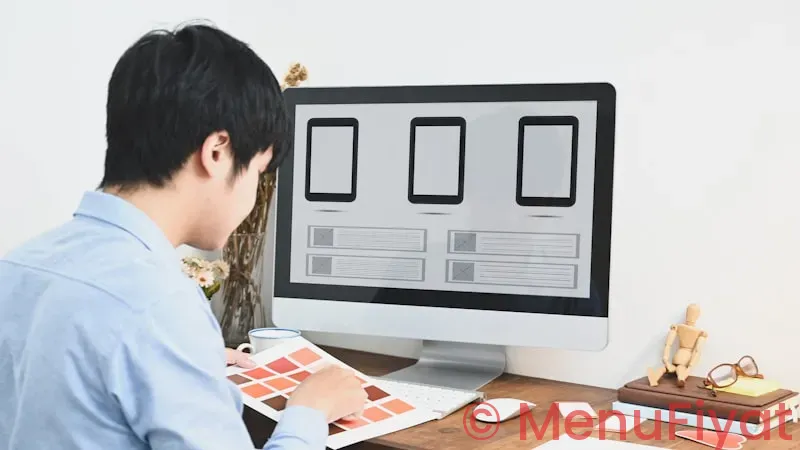
First off, let’s talk about flexibility. Digital menu boards offer the freedom to change prices, promotions, and even entire menus with just a few clicks. Gone are the days of peeling off price tags or the dreaded tape. You can instantly showcase seasonal specials or limited-time offers, capturing the attention of your patrons like a magician pulling a rabbit from a hat. Isn’t that convenient?
Then there’s the element of engagement. With dynamic images and eye-catching animations, your menu becomes a visual feast. Think of it as storytelling; each dish can have its own moment to shine, tempting customers with mouth-watering imagery. And let’s face it: who wouldn’t be drawn to a tantalizing taco that dances across the screen?
Moreover, these boards can help streamline operations. Imagine reducing the need for printed menus — not only does this save money, but it also cuts down on waste. Plus, with the ability to play informative videos or promote your brand’s story, you’re not just selling food; you’re creating an experience that resonates.
Color Psychology and Digital Display: Tips for Designing Menu Boards That Boost Sales
Imagine entering a cafe with bright red and yellow tones. Those colors shout “hurry up!” and “eat here now!” This combination is known to stimulate appetite and create a sense of urgency. On the flip side, perhaps your vibe is cool and calming, like blues and greens. These colors can make diners feel relaxed, perfect for a slow Sunday brunch. The right color can set the mood before your customers even take a seat.
Now, don’t get too carried away! It’s important to consider your brand. A high-end restaurant might lean towards sophisticated tones like deep purple or gold, hinting at luxury and exclusivity. Meanwhile, a vibrant taco joint should embrace bright colors that scream fun and energy. Think of your menu design as the outfit your restaurant wears. The wrong colors can send mixed signals.
Also, consider contrast. You want your menu items to pop, right? Using contrasting colors for text and background ensures that everything is easy to read, even from a distance. A juicy burger shouldn’t be hidden behind a dull backdrop!
Finally, remember that less is more. A cluttered menu can feel overwhelming. Instead, use color strategically to highlight signature dishes and latest specials, making them irresistible. Before you know it, customers will be pointing at their screens, excited to place their orders!
Beyond the Menu: How Interactive Digital Boards Enhance Customer Engagement and Satisfaction
So, why should you care about interactive digital boards? Well, picture this: you’re scrolling through a vibrant, animated menu filled with mouth-watering images and videos. Each dish springs to life with tantalizing descriptions and nutrition facts that pop up at your fingertips. It’s like flipping through a food magazine, but with the chance to order immediately! The interactivity doesn’t just draw you in; it invites you to play a part in your dining experience.
Plus, these boards are more than just eye candy. They can be constantly updated. Running a daily special? Just a few taps, and voilà! The whole restaurant knows about that sizzling fried chicken or that decadent chocolate lava cake. It keeps the experience fresh, leaving you excited for what’s new each time you visit.
Now, let’s talk about engagement. Have you ever felt overwhelmed by choices? Interactive boards allow you to filter options based on diet preferences or cravings. “Gluten-free? Vegan? I’ve got you covered!” It feels more like a personal assistant guiding you rather than just a static menu. That’s the kind of service that builds loyalty and makes you feel valued as a customer.
Frequently Asked Questions
What Are the Key Elements of Digital Menu Board Design?
Effective digital menu board design incorporates several key elements: clarity of text and images, strategic layout for easy navigation, appropriate color schemes to attract attention, and legible fonts that enhance readability. Additionally, dynamic content and timely updates keep the information engaging and relevant, while effective use of branding reinforces the establishment’s identity.
How Can I Improve Customer Engagement with Digital Menu Boards?
Utilize digital menu boards to enhance customer engagement by incorporating dynamic content such as promotions, featured items, and seasonal selections. Ensure the visuals are appealing and updated regularly to attract attention. Use interactive elements like touchscreens for customization options, and analyze customer data to tailor offerings that resonate with your audience, creating a more personalized dining experience.
What Are the Best Practices for Updating Content on Digital Menu Boards?
Regularly updating digital menu boards enhances customer engagement and promotes new offers. Best practices include scheduling updates based on seasonality or events, maintaining a consistent design, using high-quality visuals, and ensuring that information is accurate and clear. Additionally, gather customer feedback to optimize content and include call-to-action prompts for enhanced interaction.
What Sizes and Formats Work Best for Digital Menu Boards?
Optimal sizes for digital menu boards typically range from 32″ to 55″, with portrait or landscape formats depending on the specific location and content. It’s essential to consider viewing distance; larger screens are better for longer distances. High-resolution displays enhance readability and visual appeal. Ensure that format decisions align with the layout of the establishment and the type of information being presented.
How Do I Choose the Right Software for Digital Menu Boards?
Selecting the appropriate software for digital menu boards involves evaluating user-friendly interfaces, customization options, and integration capabilities with existing systems. Consider the features that suit your business needs, such as scheduling, content management, and real-time updates. Additionally, assess customer support, pricing, and scalability to ensure you choose a solution that can grow with your operations.